
Last updated November 2, 2026
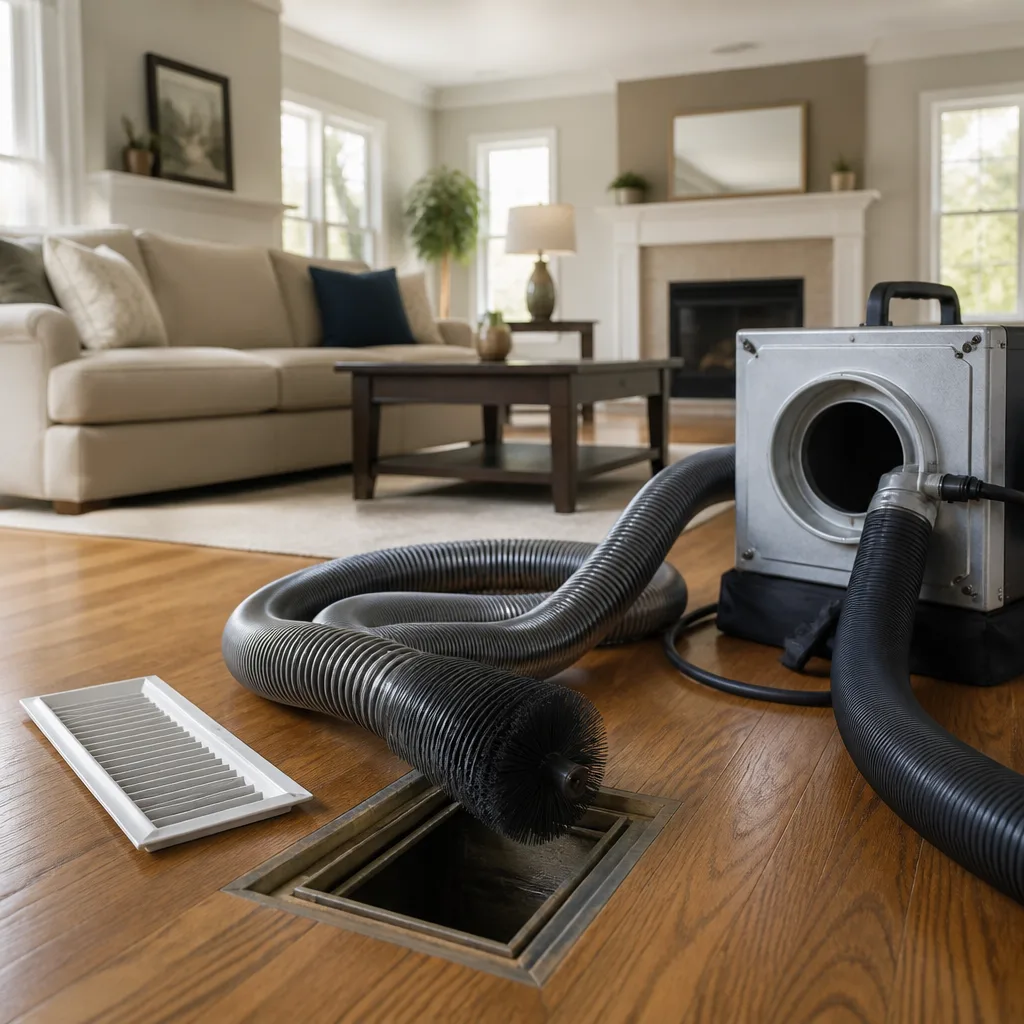 Whole-home duct cleaning
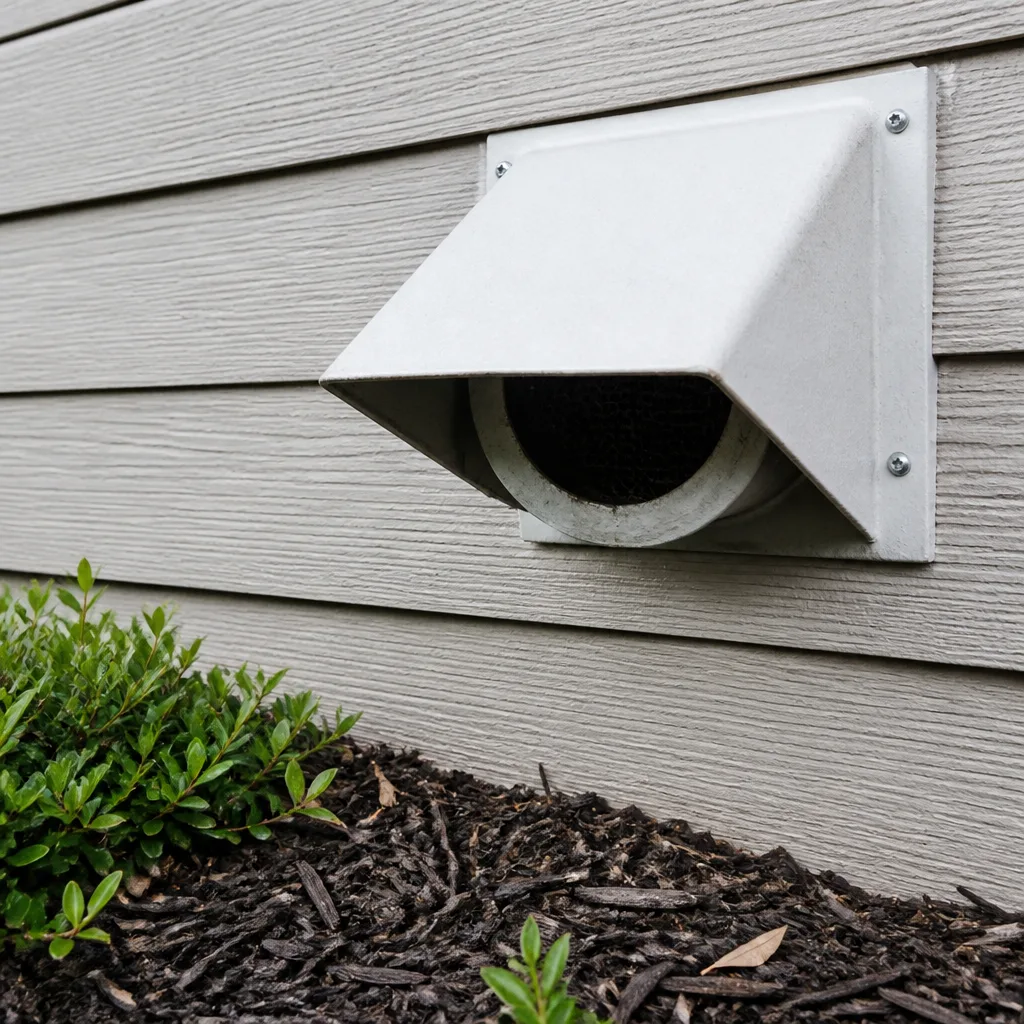 Dryer vent cleaning
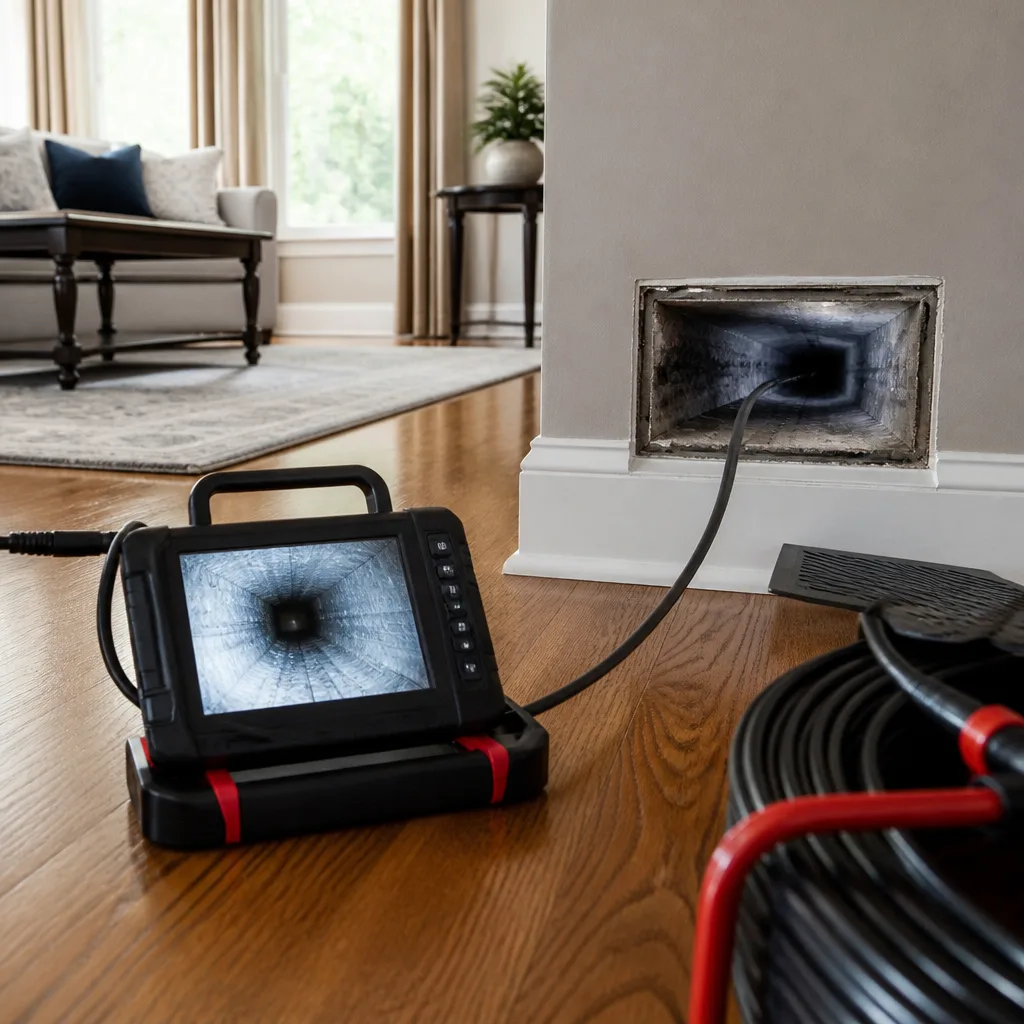 Camera inspection
 Sanitizing & deodorizing
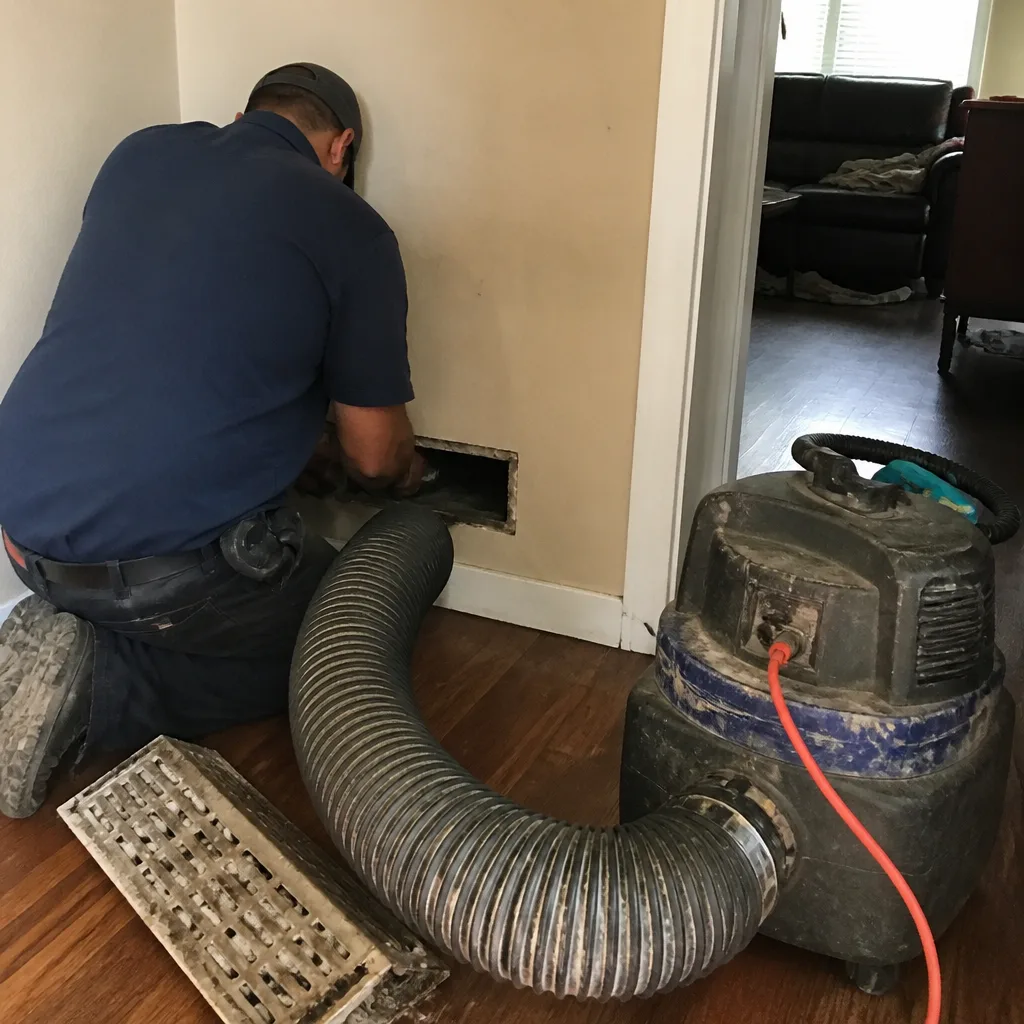
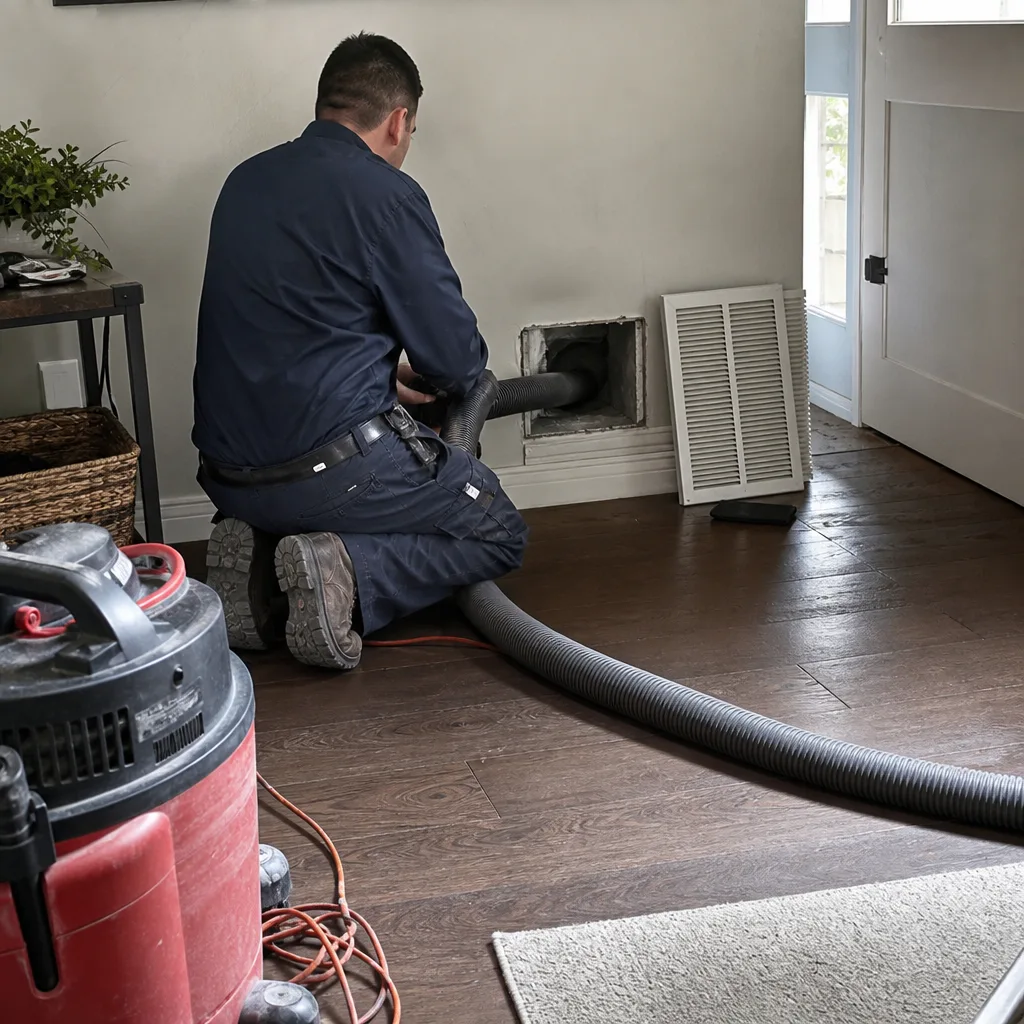
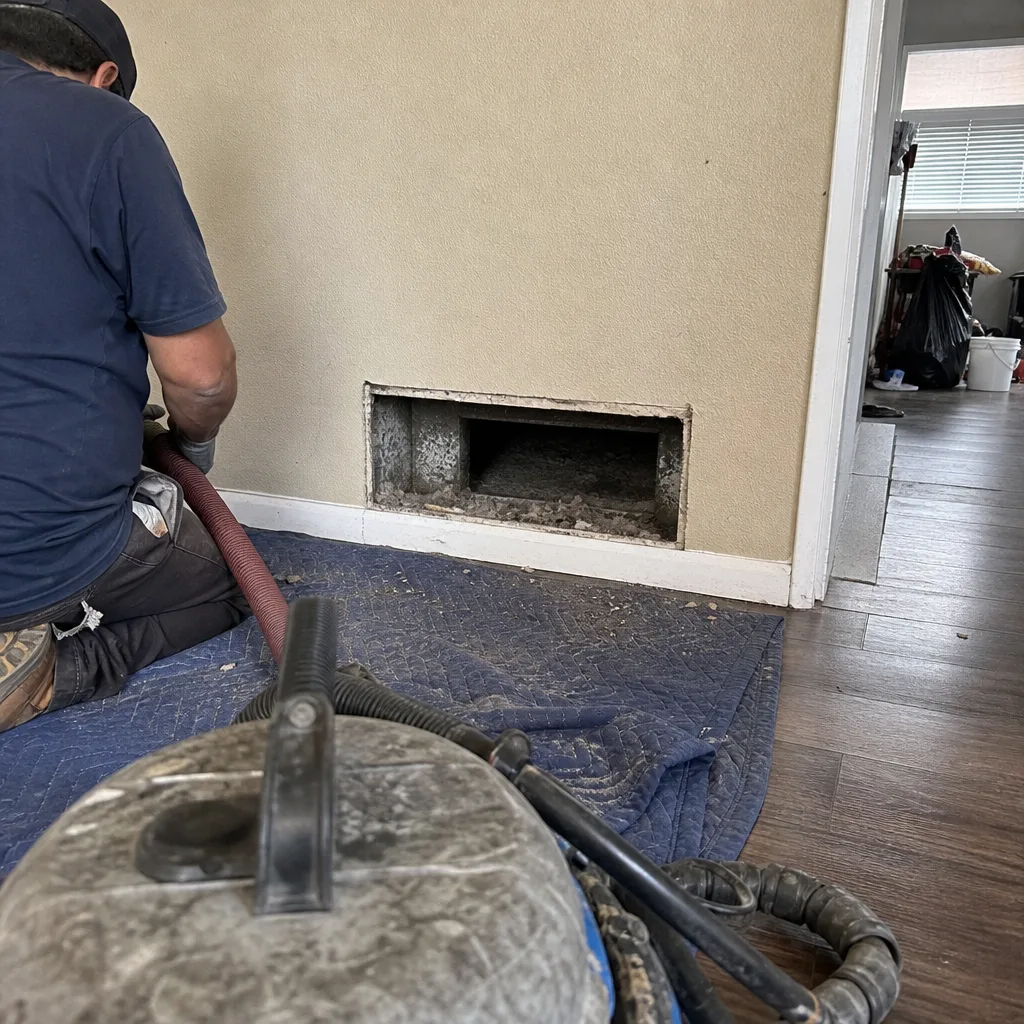
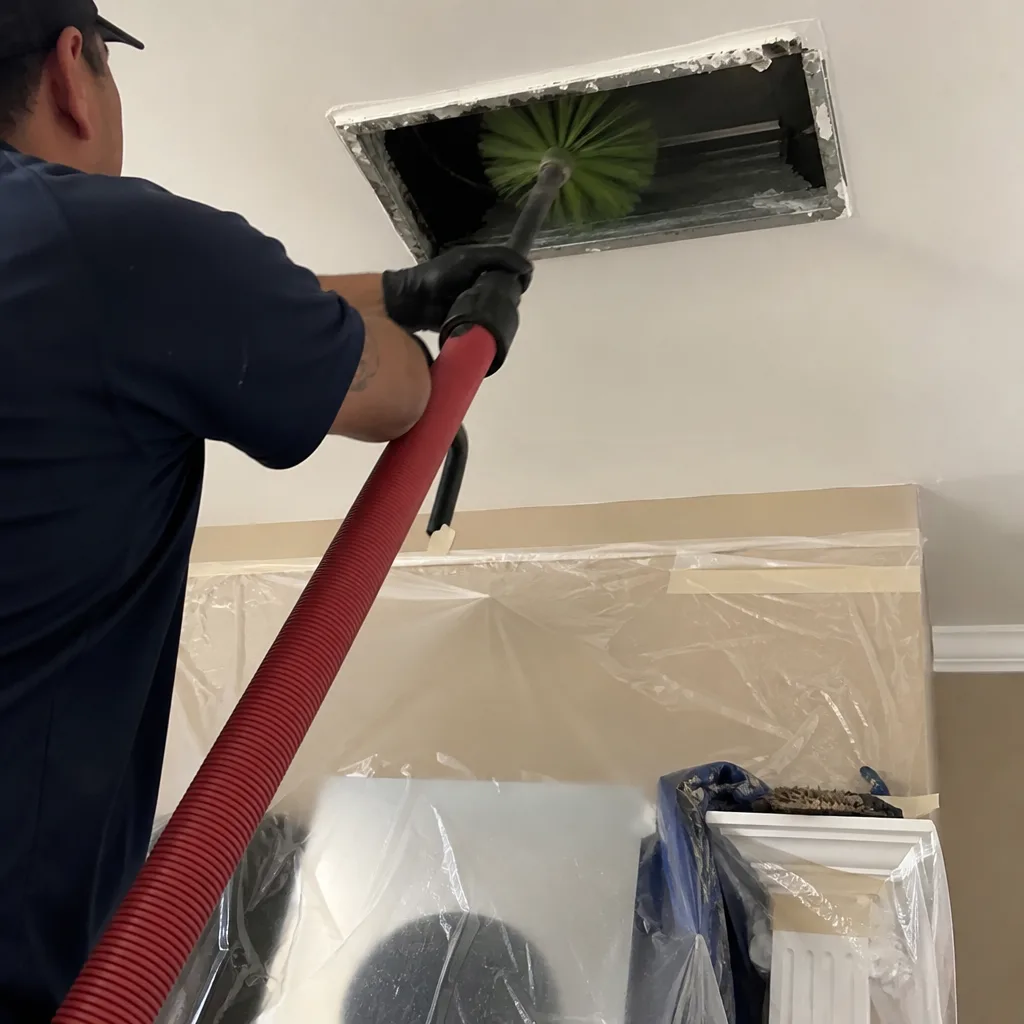
Whole-system duct and dryer vent check with before-and-after photos - you see exactly what came out of your vents
That "$99 whole-house special" is a bait ad - the real number appears once they are in your hallway, or the "clean" is a shop-vac at the register. We photograph the inside of your ducts before and after instead.
Seasonal Air Duct Cleaning Care for Pocket: Year-Round Homeowner’s Guide
Most homeowners in Pocket schedule air duct cleaning the same way they schedule a dental visit: once a year, if they remember, with no real logic behind the date. But a single annual cleaning treats August wildfire smoke and January tule fog as the same problem. They’re not. The forces working against your ductwork in July, when attic temperatures in Pocket climb past 140°F, bear little resemblance to what happens in December, when damp air settles into unconditioned crawlspaces along the Sacramento River. What follows is a season-by-season guide to understanding those forces, recognizing what they do to your system, and timing your maintenance so it actually addresses the problem in front of you.
Quick Answer
Air duct cleaning in Pocket is most effective when scheduled against the climate’s four distinct stress periods: a spring inspection after winter heating and rain, a pre-summer cleaning before the attic heat peaks, a post-wildfire-smoke evaluation in early fall, and a winter moisture check for tule fog condensation. Rather than one arbitrary annual visit, homeowners who align maintenance with these seasonal pressures get cleaner ducts, catch repair issues earlier, and avoid cleaning a system that will be dirty again within six weeks.
Styles & brands we work with
- Whole-home duct cleaning
- Dryer vent cleaning
- Camera inspection
- Sanitizing & deodorizing
Table of Contents
- Why Pocket’s Climate Demands a Seasonal Approach
- Spring (March – May): Post-Rain Mold Risk and the Return-Side Inspection
- Summer (June – September): Attic Heat, Flex Duct Integrity, and Pre-Cooling Season Cleaning
- Wildfire Smoke Season: Filters, MERV Ratings, and Post-Smoke Inspection Protocol
- Fall (October – November): Cleaning After Smoke Season and Before the Heating Load
- Winter (December – February): Tule Fog, Condensation, and Crawlspace Moisture
- How to Build a Seasonal Duct Maintenance Log
- Common Mistakes to Avoid
- When to Call a Professional
- Frequently Asked Questions
Why Pocket’s Climate Demands a Seasonal Approach
Pocket sits in the southwestern corner of Sacramento, bordered by the Sacramento River on three sides. That geography does two things to your ductwork. First, the river moderates temperatures slightly compared to inland Sacramento, but summers still bring weeks of triple-digit heat, with attic temperatures in Pocket homes routinely exceeding 140°F from June through September. Second, the river contributes to winter humidity levels that inland neighborhoods don’t experience, especially during tule fog events that can blanket the area for days at a time.
Most duct systems in Pocket run through two hostile environments: the attic, where summer heat bakes flex duct and degrades insulation, and the crawlspace, where winter dampness creates condensation on sheet metal. A generic “clean once a year” schedule misses the timing of these environmental attacks. You’d be cleaning in September, after smoke season has already coated your system, or in January, when the condensation risk is highest but the ducts are hardest to access in cold, wet conditions.
The seasonal approach works because it matches each maintenance action to the moment it delivers the most value:
- Spring cleaning clears winter debris and inspects for moisture damage before cooling season locks the system into heavy use.
- Summer monitoring catches heat-damaged flex duct before it collapses and restricts airflow when you need it most.
- Post-smoke-season cleaning removes particulate matter that settled during weeks of poor air quality, rather than leaving it to recirculate through the fall.
- Winter checks address condensation and moisture intrusion during the exact conditions that create them.
Spring (March – May): Post-Rain Mold Risk and the Return-Side Inspection
Spring in Pocket is the transition month for your duct system. The heating season is ending, rain is tapering off, and the cooling load hasn’t started yet. That makes March through May the single best window for a full-system inspection and cleaning. The system is accessible, the attic hasn’t become an oven yet, and whatever you address now will pay off for the next six months of heavy AC use.
The spring inspection should focus on two things most homeowners overlook: mold risk in flex duct and return-side airflow issues after a full winter of heating.
Winter rain in Pocket doesn’t always mean visible leaks in your ceiling. It means weeks of elevated humidity in the materials around your ductwork. Flex duct, which makes up most residential duct runs in Pocket homes built after 1980, has an outer jacket and inner liner. When humidity sits in that space between the layers for extended periods, it creates conditions where microbial growth can take hold, even without active water intrusion. You won’t see this from a vent register.
Here’s what a spring inspection should cover, step by step:
- Visual inspection of accessible flex duct in the attic for sagging (which indicates moisture weight or failing support straps), dark discoloration on the outer jacket, or drywall staining near boot connections.
- Return-side airflow check. After a winter of heating, return ducts pull more dust and fine particulate than supply ducts. A restricted return forces your blower to work harder and reduces the efficiency of any cleaning you’ve already done.
- Filter housing inspection for gaps, warping, or improper filter sizing. A filter that doesn’t seal allows bypass air to carry dust directly into the coil and ductwork.
- Condensate line and drain pan check before the first cooling cycle. A clogged line backs up into the pan, and that standing water becomes a humidity source inside your air handler cabinet.
- Gravity damper and zone control verification if your Pocket home has a zoned system. Dampers that stick open or closed change the airflow map of your entire house.
If you’re scheduling a professional air duct cleaning in Pocket, spring is the time to do it. The system is dry, accessible, and whatever gets cleaned now stays clean through the peak cooling season. Pair it with a return-side inspection and you’ve addressed the two highest-leverage items on the checklist.
Summer (June – September): Attic Heat, Flex Duct Integrity, and Pre-Cooling Season Cleaning
Summer in Pocket isn’t just hot. It’s structurally hostile to the materials your duct system is made of. When outdoor temperatures push past 100°F for consecutive days, attic temperatures in Pocket homes climb into the 140 – 160°F range. That sustained heat does measurable damage to flex duct insulation and the adhesives used at connection points.
Here’s what that damage actually looks like, in our experience with Pocket attics:
- Insulation delamination. The outer jacket of flex duct separates from the insulation layer. The duct still moves air, but it loses thermal efficiency, which means your AC works harder to deliver cool air through a partially uninsulated run.
- Connection failure at collars. The mastic and zip ties that secure flex duct to metal collars degrade under repeated thermal cycling. A duct that separates at the collar dumps conditioned air into the attic, not the room it’s supposed to reach.
- Foil tape failure. Standard foil tape used on sheet metal joints loses adhesion above 140°F. The tape peels back, joints open, and air leaks develop.
- Sagging and kinking. Heat softens flex duct. If support straps are spaced too far apart (which is common in older installations), the duct sags between straps and creates restrictions that reduce airflow to specific rooms.
- Check room-to-room temperature consistency. If one bedroom is consistently 5 – 7°F warmer than the rest of the house despite the same thermostat setting, you may have a failing duct run feeding that room.
- Listen for whistling or rushing air sounds near supply registers. These often indicate an air leak at a connection point upstream.
- Look for unexplained rise in cooling bills during a stable heat period. Leaking ducts in a 150°F attic cost more than the same leak in a 90°F attic because the temperature differential is wider.
- Check accessible attic runs early in the morning before the attic heats up. Look for obvious sags, separated jackets, or exposed insulation. A flashlight and ten minutes in the access hatch is worth more than three months of guessing.
- A MERV 11 or MERV 13 filter from a brand like Honeywell or Aprilaire captures a meaningful percentage of PM2.5 particulate. This is the single most useful smoke-season upgrade you can make.
- MERV upgrades do not address bypass air around the filter. If your filter doesn’t seal, a MERV 13 filter and a MERV 8 filter deliver the same result.
- Higher MERV ratings increase static pressure. Most Pocket residential systems can handle MERV 11 without measurable performance loss. MERV 13 is worth trying, but you should monitor for reduced airflow or increased blower strain.
- Filter upgrades alone are not a substitute for post-smoke duct inspection. A MERV 13 filter captures more particulate, but whatever already passed through during weeks of MERV 8 operation is still in the system.
- Filter warping from extended high-heat operation
- Gaps that opened up around the filter housing
- Accumulated dust on the blower motor that indicates particulate bypass
- Dryer vent cap function if you have a roof or wall termination that may have accumulated debris during fall winds
- Beading on exposed sheet metal. When cold metal ducts sit in damp, relatively warmer crawlspace air, moisture condenses on the surface. Over days of fog, that beading accumulates and runs.
- Saturated insulation. Unjacketed or poorly jacketed duct insulation absorbs moisture like a sponge. Once saturated, it loses insulation value and becomes a mold substrate.
- Rust at seams and connection points. Repeated condensation cycles attack metal duct joints first, since that’s where the metal is thinnest and where sealant has already degraded.
- Water staining in the crawlspace soil directly beneath ducts. If the ground beneath a duct run is darker or wetter than the surrounding soil during dry periods, that’s a sign of condensation accumulation.
- Spring (March – May): Note the condition of accessible flex duct (sagging, discoloration, tears), filter type and replacement date, and any rooms that showed temperature inconsistency during the winter heating season.
- Summer (June – September): Record peak attic temperature readings if you have a remote sensor, room-to-room temperature differentials during the hottest week, and any new sounds from the system (whistling, rattling, rushing air).
- Fall (October – November): Log the AQI days above 150 that occurred during smoke season, whether the system ran during those days, filter type in use during that period, and the wipe-test result from a supply register.
- Winter (December – February): Note any musty odors during heating cycles, condensation observations in the crawlspace, and dryer vent accumulation patterns.
- Cleaning once a year on a random date. A cleaning in January addresses winter moisture but does nothing for the particulate load from a September smoke season that hasn’t happened yet. Align cleaning with the actual seasonal stressors in Pocket.
- Upgrading to a MERV 13 filter without checking filter housing fit. If the filter doesn’t seal, you’ve bought an expensive bypass device. Check housing dimensions and seal condition before upgrading.
- Ignoring one consistently warm room. In Pocket’s summer heat, a room that runs 5°F warmer than the rest of the house is often a duct problem, not a thermostat or window problem. Address it in June, not September.
- Treating the dryer vent as an afterthought. Lint accumulation happens year-round but accelerates in winter dampness. A separate cleaning cycle for the dryer vent is not optional.
- Skipping repair during cleaning. Finding a separated duct section and cleaning around it changes nothing. The leak is still there. Cleaning and repair belong in the same visit.
- Running the system during heavy smoke events without planning for post-smoke cleaning. Running the fan improves filtration but moves particulate into the system. Plan for the cleaning that event requires.
- Using consumer-grade tools for duct work. A shop vac with a hose attachment cannot reach the full length of a Pocket home’s duct runs. Rotary-brush contact cleaning with professional equipment exists for this reason.
How to identify heat-damaged flex duct before it collapses:
If you find damage during a summer inspection, air duct repair in Pocket is the logical next step. It’s one thing to know you have a separated duct run. It’s another to fix it properly with replacement collars, correct strap spacing, and properly sealed connections. The repair capability matters because a cleaned system with a torn duct is still a broken system. Your duct system is only as clean as the repair it needs.
Wildfire Smoke Season: Filters, MERV Ratings, and Post-Smoke Inspection Protocol
Wildfire smoke is no longer an occasional nuisance for Pocket homeowners. It’s a predictable seasonal event that reshapes your entire indoor air quality picture between August and October. And it interacts with your duct system in ways most filter advice misses.
When smoke settles over the Sacramento Valley, your HVAC system pulls that particulate-laden air through three pathways: through the filter, through any gaps around the filter, and through any leaks in the return ductwork. The filter catches what it catches. The bypass pathways deliver everything else directly into your system.
What PM2.5 infiltration actually does inside ductwork is physical accumulation. The fine particulates in wildfire smoke, which measure 2.5 microns or smaller, are small enough to pass through a standard MERV 8 filter. Once inside the duct, they settle on surfaces. Over weeks of smoke exposure, that settlement creates a fine layer of ash-like particulate along duct walls, in the blower cabinet, and on the evaporator coil. The coil is the worst location because damp coil surfaces capture particulate and hold it, reducing heat exchange efficiency until the next cleaning.
What a MERV rating upgrade can and cannot do:
When is post-smoke duct cleaning warranted versus a filter replacement alone? If you’ve had two or more weeks of AQI above 150 in Pocket, and you were running the AC or fan during that time, you should at minimum schedule an inspection. If you open a supply register and wipe the inside of the boot with a white cloth and it comes back gray or black, that’s the particulate layer that filter upgrades don’t remove. Schedule a cleaning.
For a deeper look at maintaining your dryer exhaust system during smoke season and fire-prone conditions, see our guide on dryer vent cleaning in Pocket.
Fall (October – November): Cleaning After Smoke Season and Before the Heating Load
Fall is the second major cleaning window in Pocket, and it exists for a specific reason: the system has just survived smoke season and is about to enter heating season, where it will recirculate whatever particulate remains. Cleaning in October or early November means you start the winter with a clean system rather than one still carrying September’s particulate load.
This fall cleaning is different from a spring cleaning in one important way: it’s more likely to reveal smoke-related accumulation on the evaporator coil and blower wheel rather than moisture-related issues. The cleaning process itself should include coil cleaning, which most surface-level duct cleaning companies skip. A coil coated with fine smoke particulate transfers heat less efficiently, which means your heat pump or furnace works harder in winter for the same temperature output.
Fall is also the time to verify that the smoke season didn’t damage your filtration setup. Check for:
Winter (December – February): Tule Fog, Condensation, and Crawlspace Moisture
Winter in Pocket brings a different set of conditions. Tule fog settles into the Sacramento Valley and can persist for up to ten consecutive days. That fog translates to outdoor relative humidity levels of 90 – 100% during periods when temperatures hover in the 40s and 50s. If your duct runs through an unconditioned crawlspace, which is common in Pocket’s older riverside homes, the duct surfaces themselves become condensation points.
What condensation looks like in a crawlspace duct system:
Signs that you should escalate from observation to professional inspection include persistent musty odor when the heat runs, visible moisture inside supply registers, or family members reporting increased allergy symptoms during winter months. Musty odor means microbial activity, and microbial activity in ductwork means professional remediation is warranted.
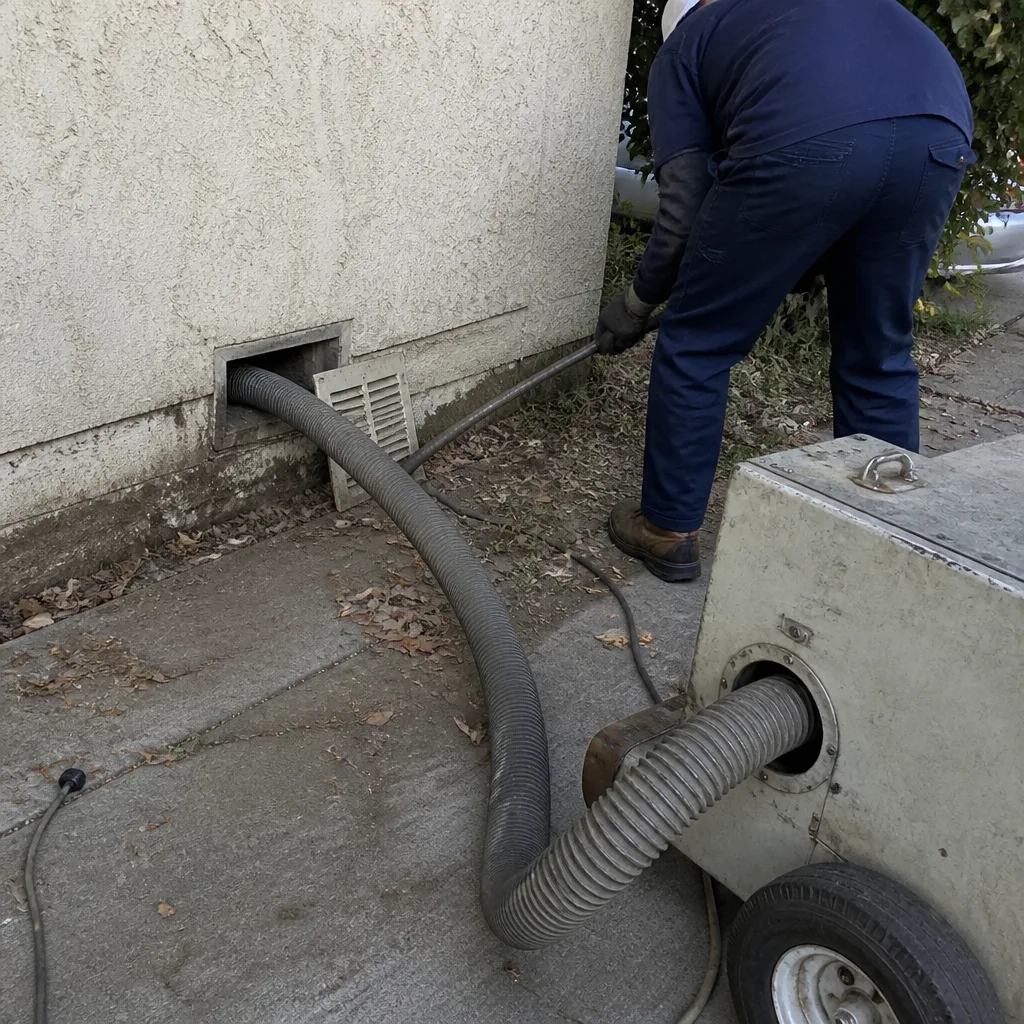
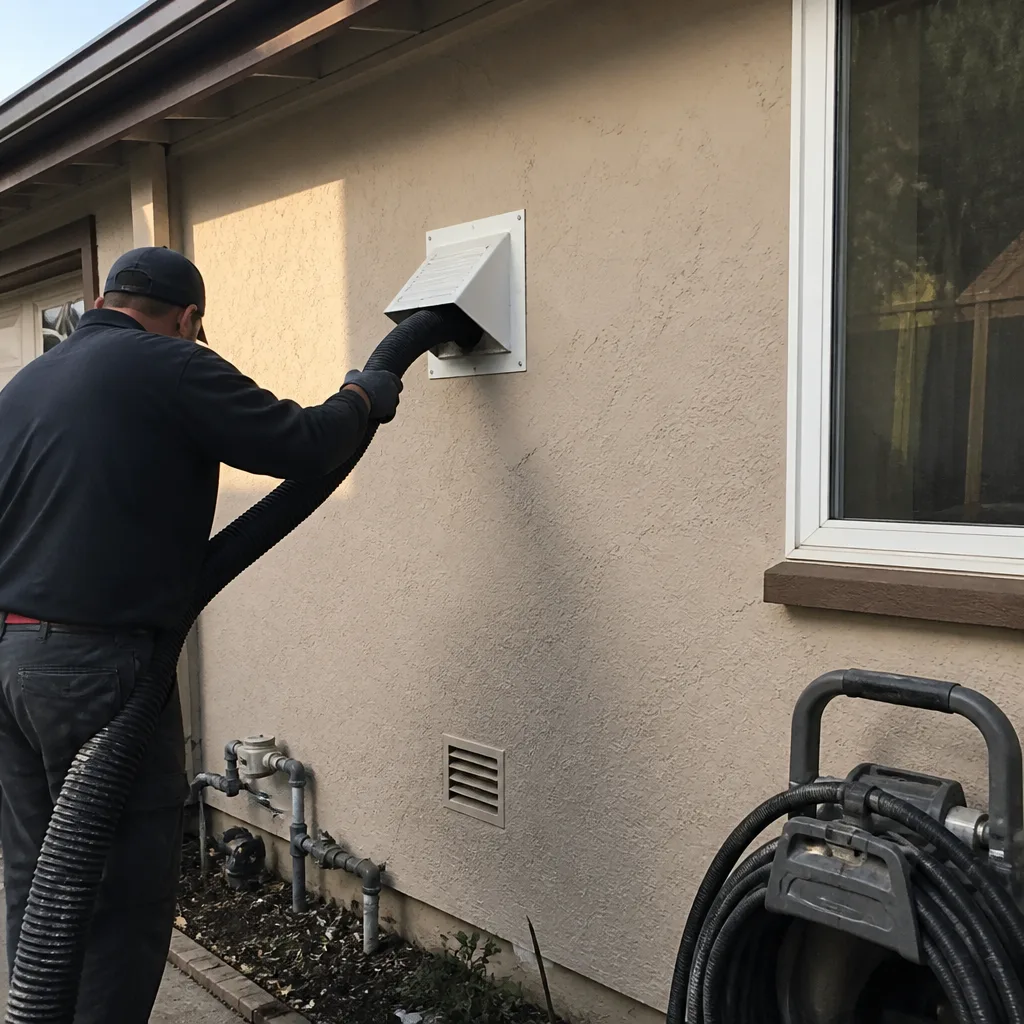
Winter is also a good time to address a related safety issue: your dryer vent. The cold, damp winter air slows lint-laden exhaust flow, and the damp lint is more likely to adhere to duct walls and accumulate faster than in dry summer conditions. Dryer vents are a fire risk, not just a performance issue. We hear from Pocket homeowners who clean their main HVAC ducts regularly but haven’t touched their dryer vent in years. The two should be treated as separate maintenance cycles.
How to Build a Seasonal Duct Maintenance Log
A maintenance log turns your seasonal duct observations into a useful history. Three years of notes will tell you more about your specific Pocket home’s duct health than any generic guideline.
What to record, and when:
The value of a log like this goes beyond your own reference. Pocket homes change hands regularly, and when you sell, your duct maintenance history becomes a selling point. A buyer weighing two comparable Pocket homes will choose the one with documented duct system care over the one where the duct history is an unknown box in the attic. More practically, the log tells a professional exactly what to look for when you do schedule service.
If you’re just starting a log and have no baseline, the first entry should be a professional inspection. Schedule an air duct cleaning in Pocket with a company that documents what it finds. That inspection report becomes your baseline document, and everything you track afterward builds on it.
Common Mistakes to Avoid
When to Call a Professional
Certain findings from your seasonal checks warrant professional attention immediately. If you see visible mold or microbial growth on any duct surface, stop and call a professional. If you detect a gas-like or burning odor when the heat runs, turn off the system and call. If you find a completely separated duct that is dumping conditioned air into the attic or crawlspace, that’s a repair call. If your dryer vent shows visible lint accumulation at the exterior termination or you notice longer dry times, schedule a dedicated vent cleaning. And after any extended wildfire smoke period in Pocket, an inspection is reasonable even without visible evidence. Purevent Air Duct Cleaning offers free estimates in Pocket, and our technicians use Rotobrush rotary-brush contact cleaning systems and Nikro negative-air machines – professional-grade equipment, not adapted consumer tools. Call (877) 752-5088 to schedule.
Frequently Asked Questions
For most Pocket homes, annual cleaning is the right baseline, but it should be scheduled against the climate: spring or fall, not a random date. If you have pets, run the system during wildfire smoke season, or live in an older riverside home with crawlspace ducting, twice-yearly service is appropriate. Schedule a spring cleaning before the cooling season and a fall cleaning after smoke season.
Pocket sits at the edge of the Sacramento River, so the summer attic heat stress is compounded by river-driven winter humidity. Homes in Pocket’s older sections built before 1990 often have unconditioned crawlspace ducting that experiences condensation during tule fog events, while newer developments have attic-mounted flex duct that faces extreme summer heat. Both conditions require seasonal attention that inland Sacramento neighborhoods experience less acutely.
Using a MERV 11 or MERV 13 rated filter from a brand like Honeywell or Aprilaire during smoke season captures significant PM2.5 particulate. But a filter upgrade only works if the filter seals properly in its housing. Check the fit before upgrading, and plan for post-smoke-season cleaning regardless of what filter you run. A high-MERV filter slows particulate entry; it doesn’t remove what already entered.
Watch for room-to-room temperature differences, unusual airflow sounds, or rising cooling bills during stable weather. A bedroom that’s consistently warmer than the rest of the house in July and August often points to a failing duct run. Inspect your attic access in the early morning, before temperatures peak, and look for visible sagging, separated insulation jackets, or disconnected collars.
Yes. Musty odor from the vents in winter typically indicates microbial activity in the ducting or air handler, usually triggered by condensation in crawlspace duct runs during the damp fog season. Don’t mask it with air fresheners. Schedule a professional inspection to determine the scope of the issue and whether cleaning, repair, or both are required.
Dryer vents carry lint-laden exhaust, and lint accumulation builds toward a fire risk. The cold, damp Pocket winter slows exhaust and accelerates lint adhesion, which means the window between cleanings shrinks during fog season. Treat dryer vent maintenance as its own annual cycle, separate from HVAC duct cleaning, and schedule dryer vent cleaning in Pocket before the winter dampness peaks. Call (877) 752-5088 for a free estimate.
The Bottom Line
Pocket’s climate pattern – hot dry summers, damp winter fog, and now an extended wildfire smoke season – creates four distinct pressure periods on your duct system. A single annual cleaning on a random date addresses none of them well. Spring is for moisture inspection and pre-cooling prep. Summer is for heat-damage monitoring and repair. Fall is for post-smoke cleanup and heating-season readiness. Winter is for condensation awareness and dryer vent vigilance. Build a simple seasonal log, respond to what it shows you, and treat cleaning and repair as a single process. When you’re ready for a professional assessment, start at the Purevent Air Duct Cleaning home page or call (877) 752-5088. We clean, inspect, and repair in the same visit.
Written by the team at Purevent Air Duct Cleaning, serving Pocket since 2017.
See the difference
 Before
 After
 Before
 After
 Before
 After