
Last updated November 2, 2026
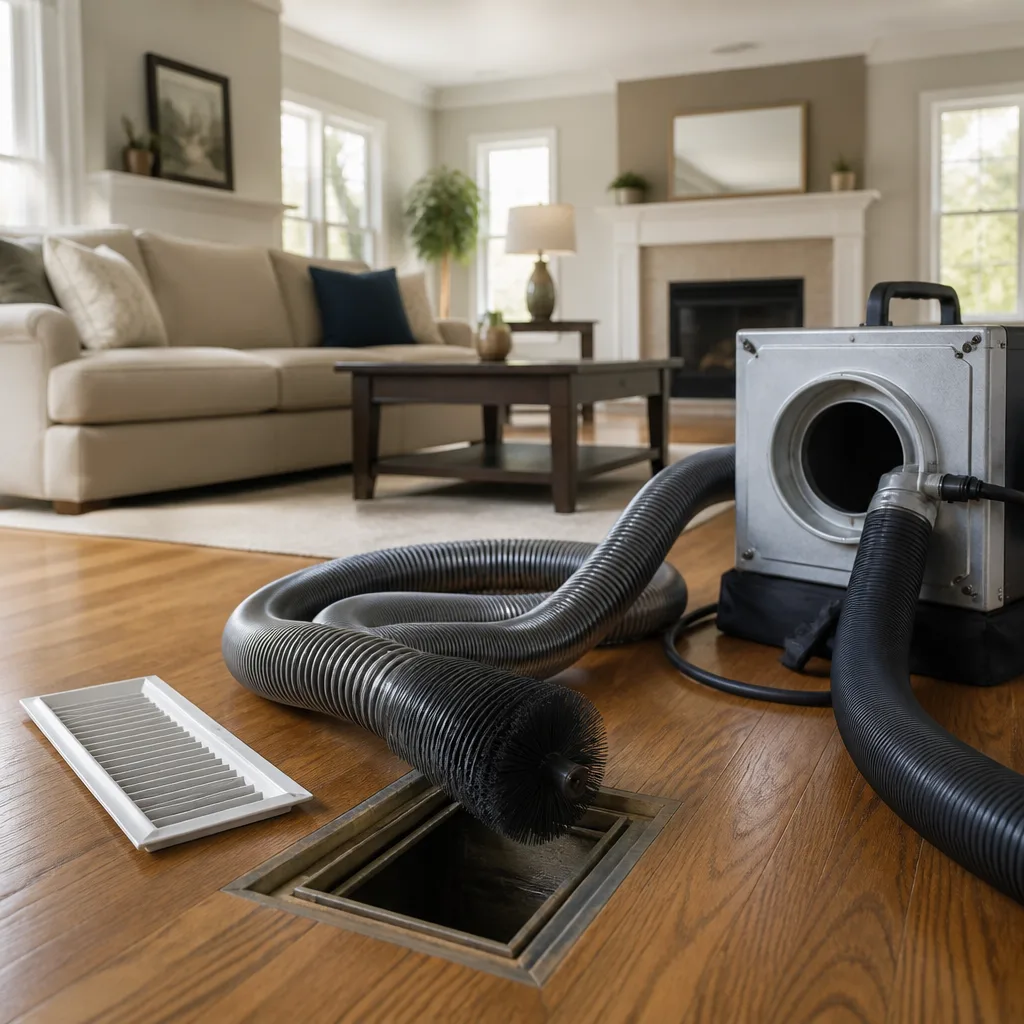 Whole-home duct cleaning
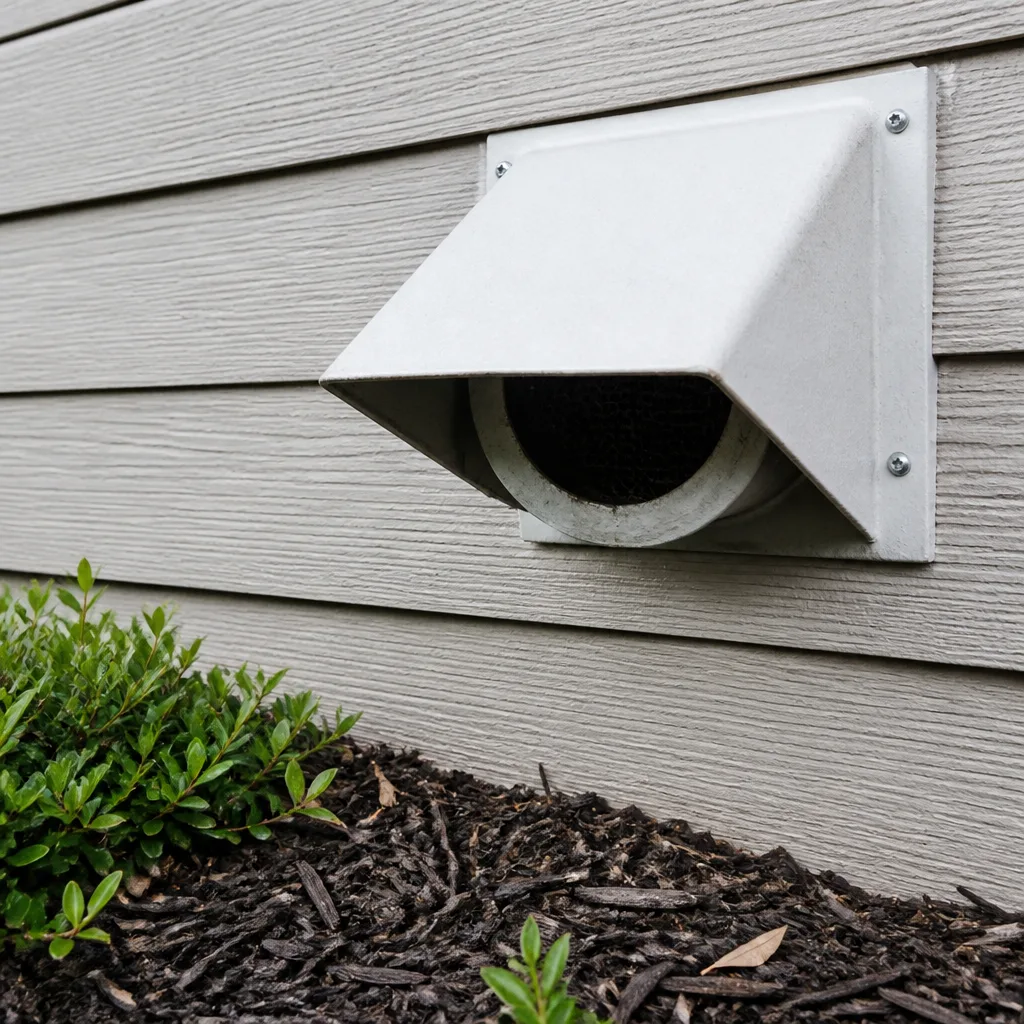 Dryer vent cleaning
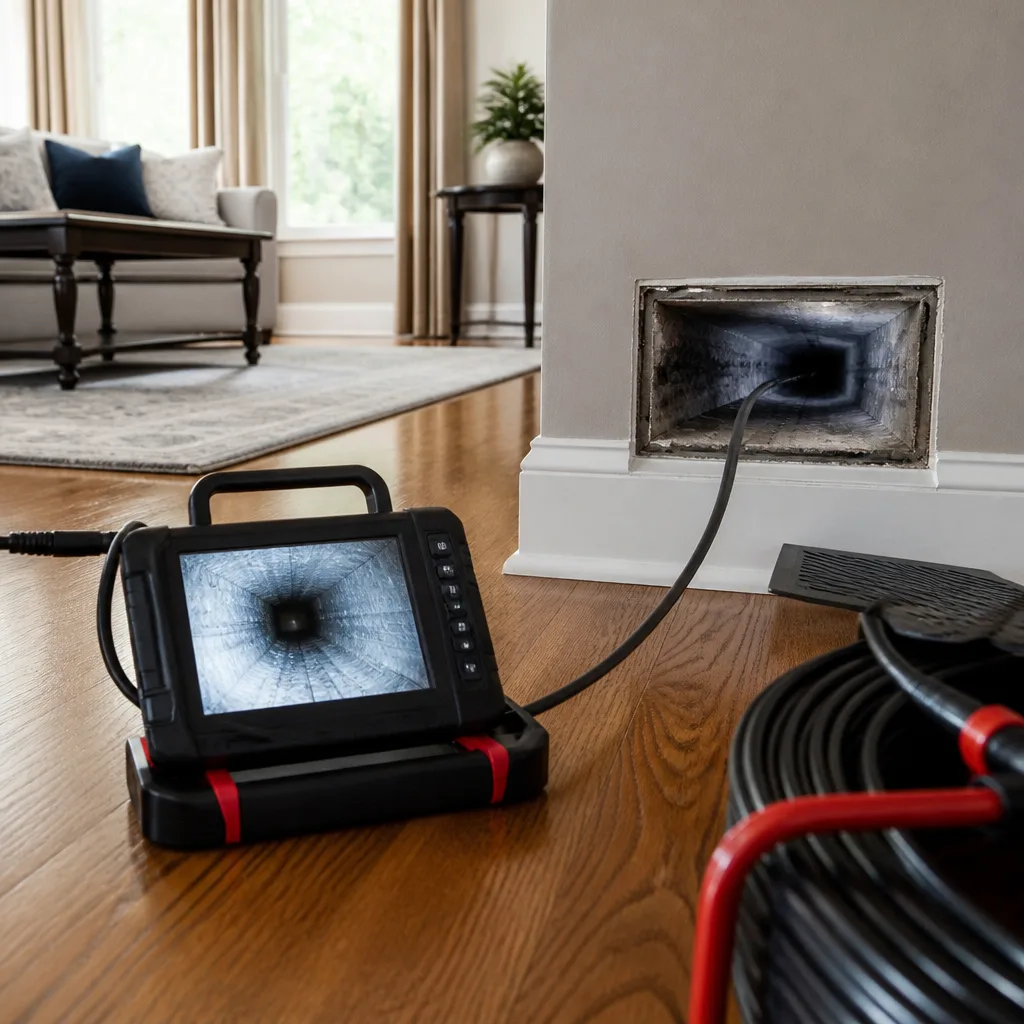 Camera inspection
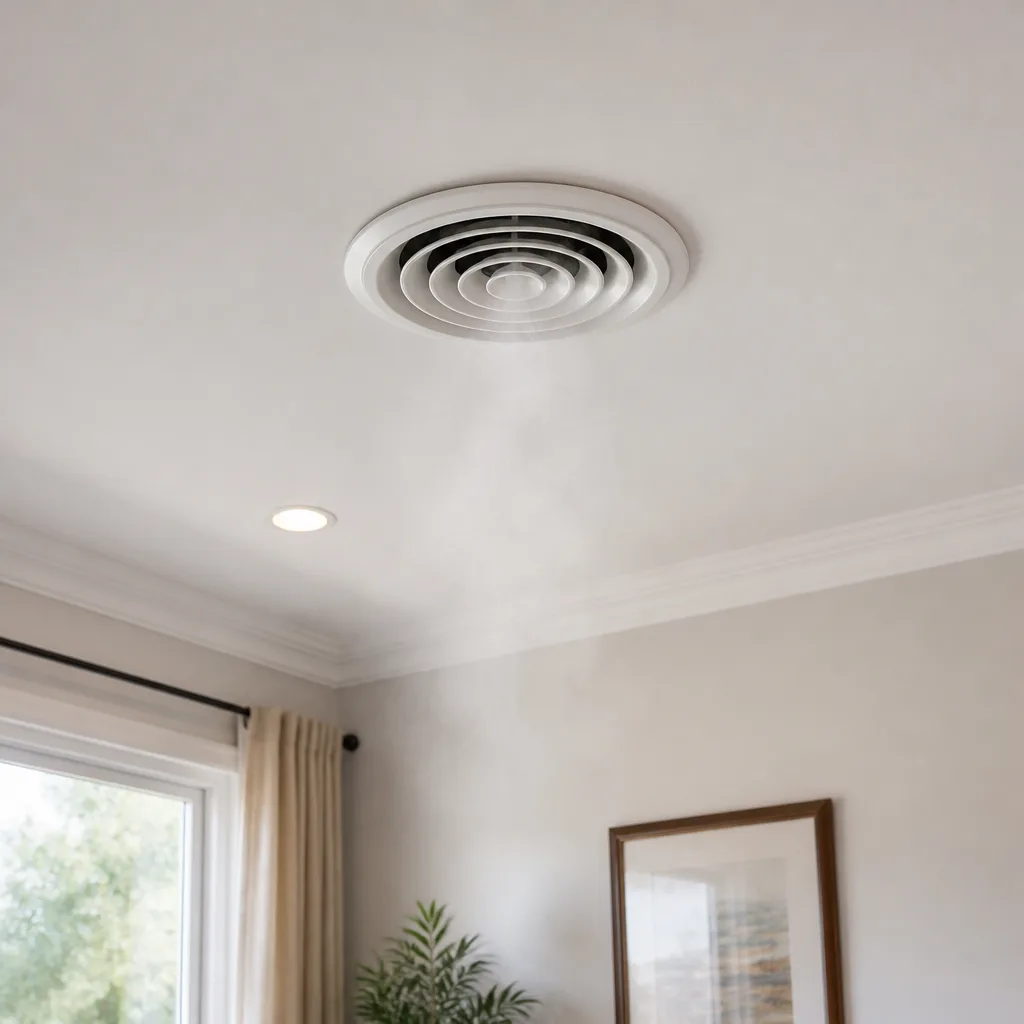 Sanitizing & deodorizing
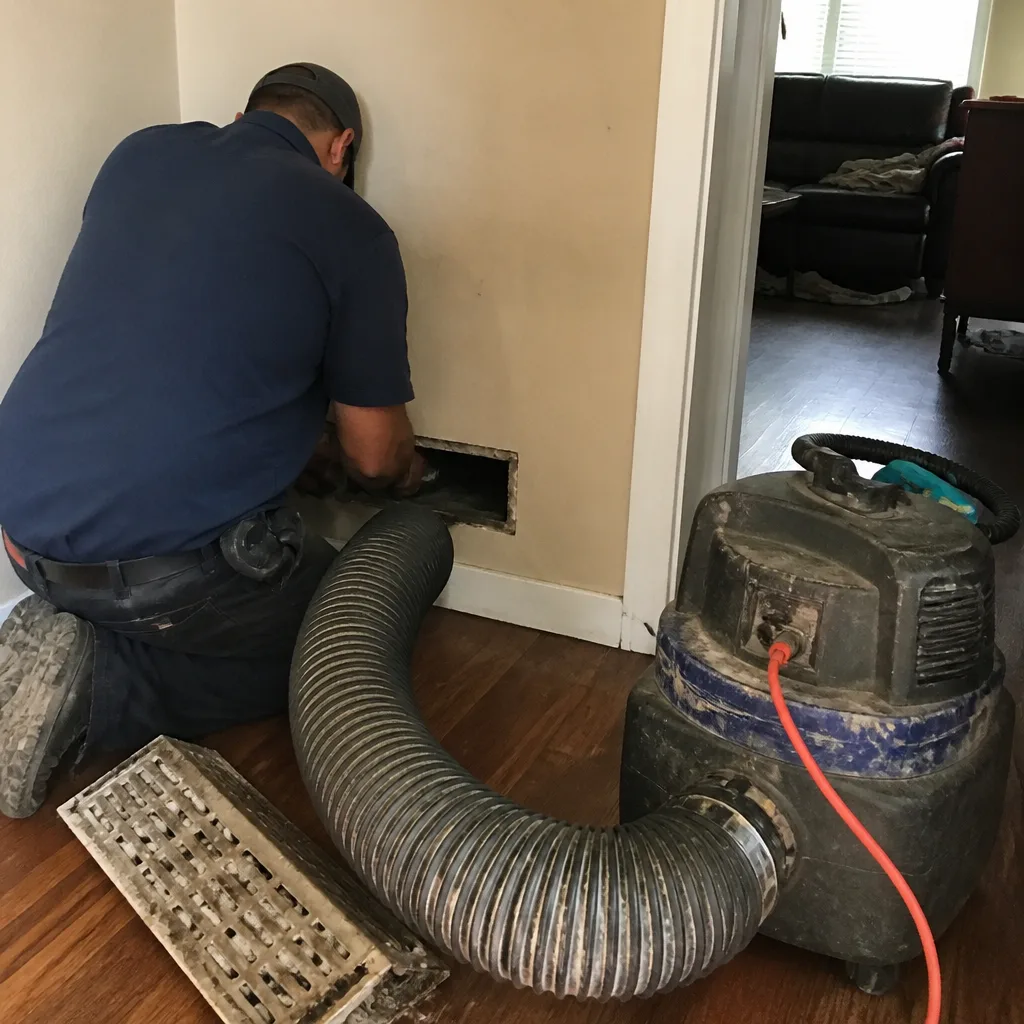
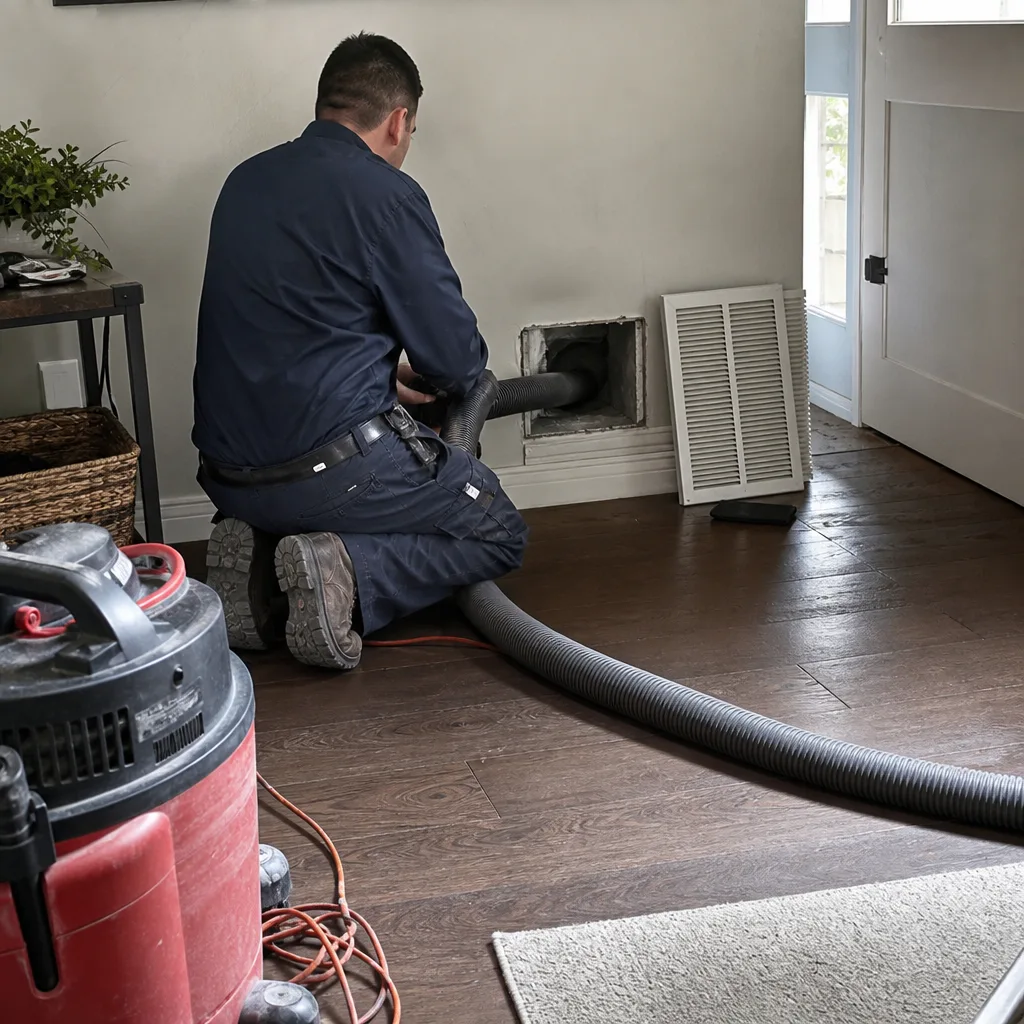
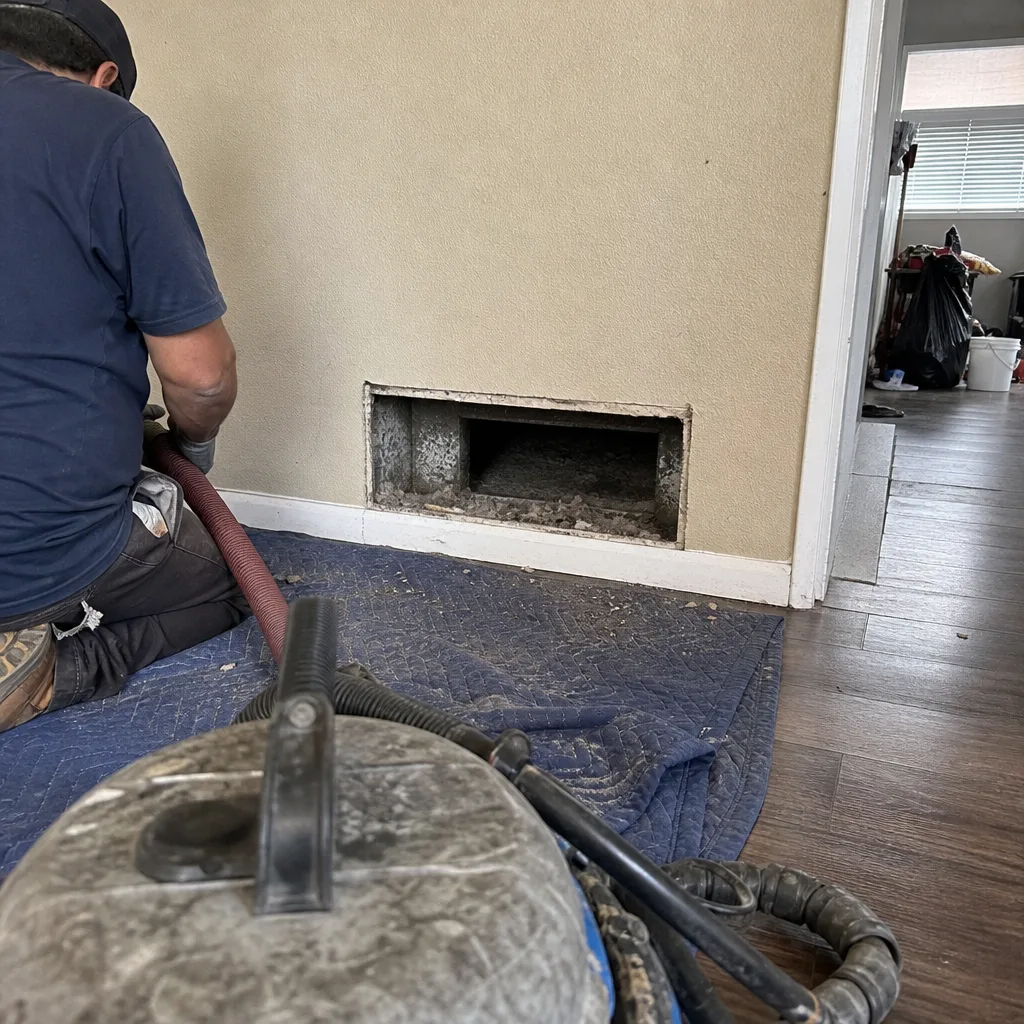
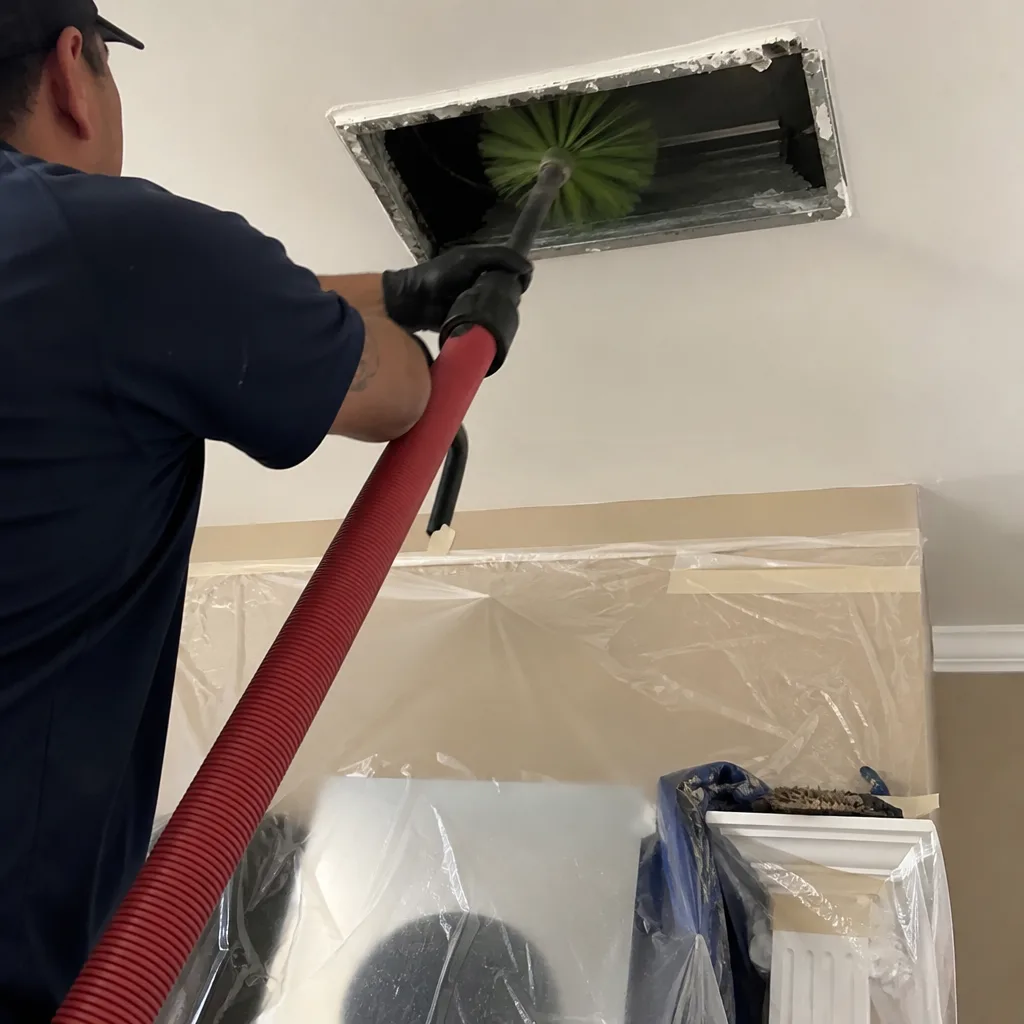
Whole-system duct and dryer vent check with before-and-after photos - you see exactly what came out of your vents
That "$99 whole-house special" is a bait ad - the real number appears once they are in your hallway, or the "clean" is a shop-vac at the register. We photograph the inside of your ducts before and after instead.
Air Duct Cleaning Cost Breakdown: The Pocket Homeowner’s Reference for 2026
When two Sacramento contractors quote $189 and $650 for the same Pocket home, they are not cleaning the same things. The $189 quote is statistically more likely to leave your system dirtier than when they arrived, because proper negative pressure was never established and the “cleaning” amounted to a visual wipe of the register covers. This guide breaks down exactly what legitimate our Air Duct Cleaning services cost in Pocket in 2026, why the price spread exists, and how to evaluate a quote without falling for the bait-and-switch trap that defines this industry. By the end, you’ll know what to ask, what to skip, and what a real cleaning should include.
Styles & brands we work with
- Whole-home duct cleaning
- Dryer vent cleaning
- Camera inspection
- Sanitizing & deodorizing
Quick Answer
Full-system air duct cleaning in Pocket, CA typically runs between $450 and $900 for an average single-family home in 2026. The total depends on system size, access complications common to Pocket’s older housing stock, and whether you add dryer vent service or repair work. Quotes below $350 almost always indicate a partial cleaning or a loss-leader designed to upsell you once the crew arrives.
Table of Contents
- The Line-Item Breakdown: What Legitimate Cleaning Actually Costs in 2026
- The Equipment Reality: Why Truck-Mounted Systems Cost $30,000 and What That Means for Your Quote
- What Drives Price Variation in Pocket Specifically
- Evaluating Add-Ons: When Antimicrobial Fogging Is Worth It and When It Isn’t
- The Real Cost of a Substandard Cleaning
- How to Evaluate a Duct Cleaning Quote: A Step-by-Step Checklist
- Common Mistakes to Avoid
- When to Call a Professional
- Frequently Asked Questions
- The Bottom Line
The Line-Item Breakdown: What Legitimate Cleaning Actually Costs in 2026
Most homeowners never see a line-item breakdown because most duct cleaning companies don’t provide one. They quote a single number that bundles everything, which makes comparison impossible and hides exactly what is and isn’t included. Here’s what you should expect to see in Pocket for 2026, based on the Sacramento market:
- Base system cleaning (single HVAC unit): $300 to $550. This covers the furnace plenum, supply trunk line, return trunk line, and all branch ducts connected to one air handler. It should include full negative-air setup, not just a rotary brush pass.
- Per-vent access and cleaning: $15 to $35 per vent. Most Pocket homes have 8 to 14 vents, so expect $150 to $490 for this component. Beware any quote that doesn’t break this out or claims vents are included at no charge. Nothing is free; it’s bundled somewhere.
- Access panel creation: $75 to $150 per panel. Older duct systems in Pocket often lack pre-installed access points. A proper cleaning requires cutting a service opening into the main trunk line, then sealing it with a patch panel. Companies that skip this step aren’t cleaning the trunk line. They’re just vacuuming what they can reach from the registers.
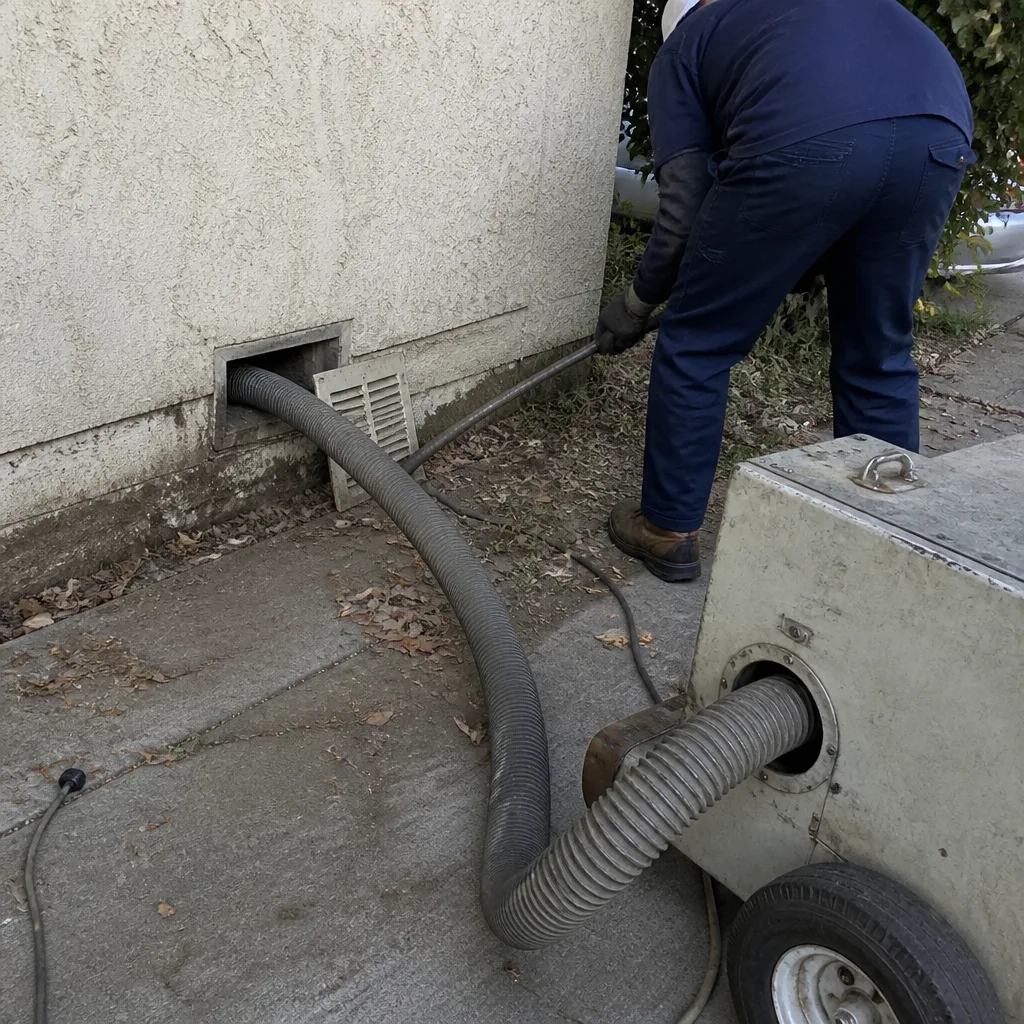
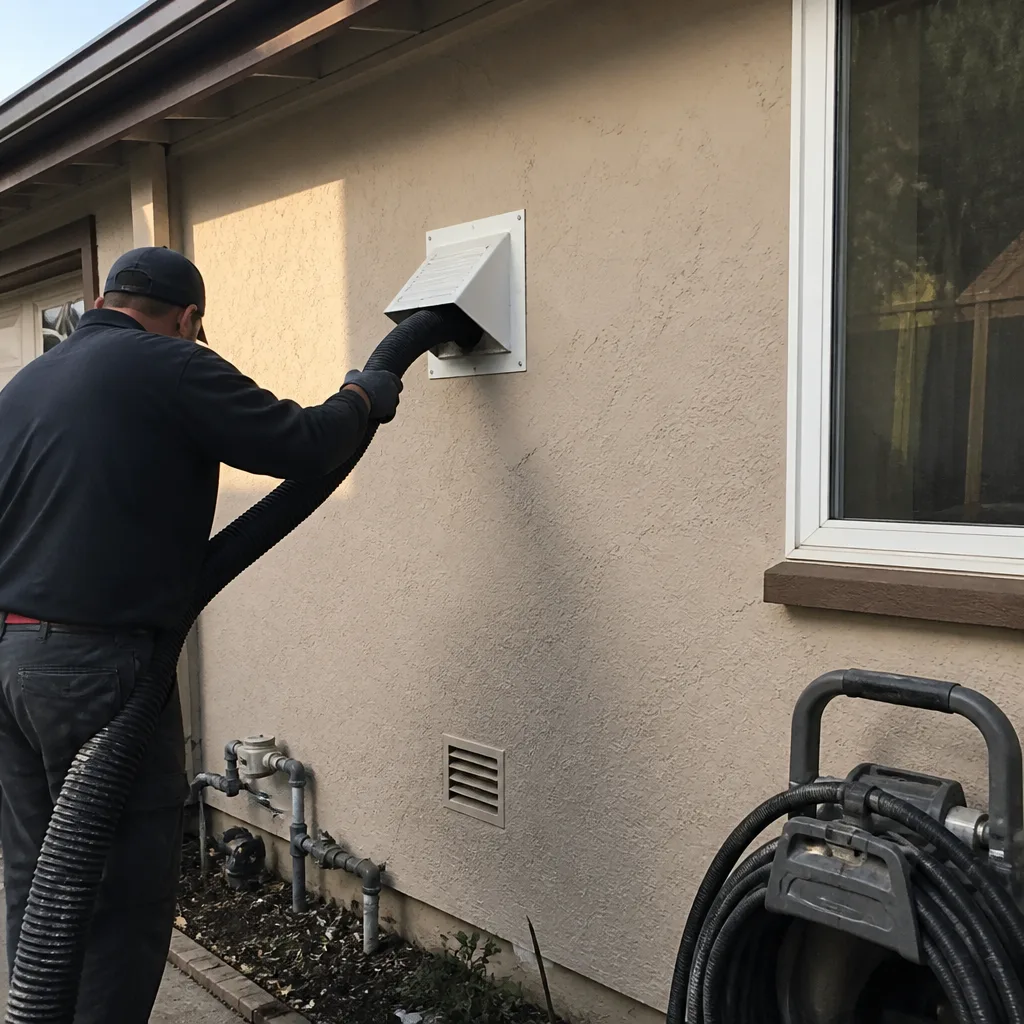
- Dryer vent cleaning (separate service): $125 to $200. This is a distinct job with different equipment. At Purevent Air Duct Cleaning home, we treat this as its own service line because dryer vents are a fire risk, not just a performance issue.
- Sanitizing or antimicrobial fogging: $150 to $300. Only justified in specific situations, which we cover in the add-ons section below. This is the most frequently oversold line item in the industry.
- Return air drop replacement (if needed): $150 to $350. Many Pocket homes have return drops made of interior chase walls that never had a proper sealed duct installed. If inspection reveals this, the fix is structural, not cosmetic.
For a typical 3-bedroom Pocket home with one HVAC unit and 10 vents, a legitimate full-system cleaning lands between $550 and $850 when you account for access panels and proper negative-air setup. Add dryer vent service, and you’re looking at $675 to $1,050. This is the honest math. Anyone quoting $189 for “unlimited vents” is planning to spend 45 minutes in your home, run a shop vac on the register covers, and hand you a bill for “sanitizing” they never performed.
The Equipment Reality: Why Truck-Mounted Systems Cost $30,000 and What That Means for Your Quote
Professional duct cleaning equipment is not a consumer-grade tool that happens to be used commercially. Truck-mounted vacuum systems with sufficient CFM capacity to create true negative pressure across a residential duct system cost between $30,000 and $80,000 new. The rotary brush systems that actually scrub the duct walls, like the Rotobrush equipment we run, add several thousand more. Nikro negative-air machines, the same brand used in remediation and HVAC restoration work, represent another significant capital outlay.
Here’s the operational math a $189 quote has to make work:
- A professional setup requires one truck, a truck-mounted or trailer-mounted vacuum unit, a rotary brush system, HEPA filtration, inspection cameras, and a technician who understands airflow dynamics. Fixed cost per service day before a single vent is touched: $300 to $500.
- Proper cleaning of a single-family home takes 3 to 6 hours. Two technicians at living wages in Sacramento add $250 to $500 in labor.
- Material costs, access panels, patch materials, and equipment depreciation add another $50 to $100 per job.
That’s a hard cost floor of roughly $600 to $1,100 per full day of actual work. A $189 quote cannot cover this. What it can cover is one technician, 45 to 90 minutes, a portable vacuum with a brush attachment sold as a “duct cleaning system,” and no access panel creation. This is the fundamental reason the price spread exists in Pocket. The difference between a $189 quote and a $650 quote is not profit margin. It’s whether the truck outside your home has a $40,000 vacuum unit or a $300 Shop-Vac in the passenger seat.
When we evaluate quotes in Pocket, we tell homeowners to ask one question: “Show me the equipment you’ll use on my job.” Legitimate operators can name their machines. The Rotobrush rotary-brush system and Nikro negative-air units we use are professional-grade equipment, not adapted consumer tools. If the answer is vague, the cleaning will be too.
What Drives Price Variation in Pocket Specifically
Pocket is not a homogenous market. The neighborhood spans multiple decades of construction, and that directly affects what a duct cleaning job involves. Here’s what we see across the area:
Home Age and Access Complications
Pre-1980 homes in Pocket frequently have duct systems that were installed without service access. These systems were built to be installed, not maintained. Many trunk lines have no access panels at all, which means the cleaning crew has to create them. Each access panel takes time, requires a metal patch, and must be sealed properly or you’ve introduced a leak. Homes built after 1990 are more likely to have factory access points or flexible duct runs that can be disconnected and reconnected at the register boots. The difference can be $150 to $300 on the final bill, and it’s a legitimate line item, not a markup.
Duct Material Type
Pocket homes run the gamut from rigid galvanized steel to fiberglass duct board to flexible insulated duct. Rigid steel cleans predictably. Fiberglass duct board, common in homes built between 1970 and 1990, is more delicate. Aggressive rotary brush contact can damage the interior surface, so cleaning requires adjusted pressure and sometimes different heads. Flexible duct, if it was properly installed and sealed, can usually be cleaned in place. If it was inadequately supported or has kinks, it may need replacement rather than cleaning. That’s a repair conversation, and it changes the scope of work.
Attic vs. Crawlspace Routing
Most Pocket homes route ducts through the attic, but a significant number have crawlspace runs, particularly in homes with pier-and-beam foundations near the river side of the neighborhood. Crawlspace work is slower. Access is tighter, the environment is dirtier, and technicians spend more time moving between registers and access points. Attic work in Sacramento summer is also slower, simply because a 140-degree attic limits how long a tech can safely work in a single stretch. These are real time costs, and they show up in the total.
System Size and Configuration
A 1,200-square-foot Pocket home with a single return and 8 supply vents is a straightforward job. A 2,800-square-foot home with two HVAC units, dual returns, and 18 supply vents is effectively two jobs. Zoned systems add another layer because each zone’s dampers need to be positioned correctly during cleaning to ensure negative pressure reaches the entire run. None of this is exotic; it just takes time and attention. Quotes that price all homes at a flat $299 are assuming every job is the smallest job.
Evaluating Add-Ons: When Antimicrobial Fogging Is Worth It and When It Isn’t
Antimicrobial fogging is the most oversold add-on in the duct cleaning industry. Here’s the honest framework we use with Pocket homeowners:
When it’s justified: After confirmed mold remediation. If a mold inspection identified microbial growth inside the duct system and remediation was performed, fogging with an EPA-registered antimicrobial is a reasonable final step. It addresses residual spores that physical cleaning may not have neutralized. We work with products and equipment aligned with the standards set by Abatement Technologies, which builds containment and contamination control systems for exactly this scenario.
When it’s not justified: As a preventive measure on a system that doesn’t have any microbial growth. Here’s the logic: if physical cleaning with negative pressure actually removed the debris, the environment that supports microbial growth, namely accumulated organic matter and moisture, is gone. Adding fungicide to a clean system solves a problem that no longer exists. It’s like fumigating an empty house. The only reason it’s pitched so aggressively is that it carries roughly an 80% margin for the cleaning company.
What should precede any fogging decision: Visual inspection with a camera. If the inspection shows microbial growth, take a sample and send it to a lab. Sacramento-area labs process these samples in a few days for under $100. Only then decide. If the company pushing fogging won’t show you camera footage of the growth they claim to be treating, walk away.
Dryer vent service is a different kind of add-on, and it’s one we actually recommend for most Pocket homes. Lint accumulation in a dryer exhaust run is a measurable fire hazard. The Dryer Vent Cleaning in Pocket service we offer exists because it’s genuinely distinct from HVAC duct work: different access points, different tools, and a different safety case. If your quote bundles it at a discount, that’s usually a fair deal. If they’re pushing it as a $350 add-on on top of an already-low cleaning quote, that’s the upsell trailhead.
The Real Cost of a Substandard Cleaning
The cheapest quote always costs more. Here’s the math on what a bad cleaning actually costs a Pocket homeowner:
HVAC efficiency loss over time. A system with a 1/8-inch layer of debris on the blower wheel and evaporator coil runs longer to hit the same set point. Over a Sacramento cooling season that stretches from May through October, that’s hundreds of extra compressor hours. On a 15-SEER system, you’re looking at $150 to $400 in unnecessary electricity per year. The bad cleaning didn’t just fail to remove debris from the equipment; it may have knocked debris from the ducts into the equipment.
Premature filter replacement. When ducts are improperly cleaned without negative pressure, the loosened particulate doesn’t leave the system. It recirculates and loads your return filter. A $20 or $30 filter that would last 90 days now clogs in three weeks. Over two years, that’s $300 to $500 in filters alone, and your system has been breathing through a restricted airway the entire time.
The cost of re-cleaning. This is the quiet tax nobody budgets for. When a $189 cleaning fails to actually remove the debris, the homeowner sees no change in symptoms. Dust returns within weeks. Six months later, they’re calling a legitimate company to do the job properly. They’ve now paid twice: once for the cheap service, once for the real one. The total is higher than if they’d hired a competent operator the first time.
Undiscovered damage. A legitimate cleaning includes inspection. Our crews find disconnected duct sections, crushed flexible runs, and improperly sealed boots on a regular basis in Pocket, especially in older homes where the system has been through decades of remodels. A $189 cleaning has no time budget for inspection, so these problems continue bleeding conditioned air into the attic for another season. That’s a $300 to $800 annual energy loss that compounds indefinitely. Your duct system is only as clean as the repair it needs. If the company cleaning it can’t also fix what they find, you’re hiring a second contractor anyway. Our Air Duct Repair in Pocket service exists for exactly this reason: cleaning reveals problems, and the technician standing in your attic should be able to address them in the same visit.
How to Evaluate a Duct Cleaning Quote: A Step-by-Step Checklist
- Ask for a line-item breakdown. If they won’t provide one, the quote is a marketing number, not a work scope. Walk away.
- Ask what equipment they run. The answer should include a truck-mounted or trailer-mounted vacuum unit with a specified CFM rating (2,000 CFM minimum for residential work is the industry benchmark) and a rotary brush or agitation system. If the answer is “our proprietary cleaning process,” that’s a red flag.
- Ask how many access panels they’ll create and what they’ll cost. A legitimate cleaning on a pre-1980 Pocket home usually requires at least one, sometimes two or three. Zero is not the answer unless your system happens to have factory access already, which is rare.
- Ask about inspection. Will they camera the system before and after? If the before footage doesn’t happen, you have no baseline. If the after footage doesn’t happen, you can’t verify the work. Our standard process includes both, and the homeowner sees the footage.
- Ask about dryer vent service. If they don’t offer it, fine. If they offer it but won’t price it separately, they’re bundling to obscure the real cost. If they price it separately, great. Compare that line item across quotes.
- Ask about repair capability. What happens if the cleaning reveals a disconnected duct or a crushed run? A company that only cleans will tell you to call an HVAC contractor. A company that also repairs, like ours, addresses it then and there. This single question separates the full-system operators from the vacuum crews.
- Check what the quote excludes. Look for language like “extreme buildup may require additional charges.” That’s the upsell trigger. A legitimate quote for a home the company has walked through should be firm. If they haven’t walked the home, they can’t price it accurately anyway.
Common Mistakes to Avoid
- Chasing the lowest per-vent price. Per-vent pricing is only useful if the base service is equivalent. A $12-per-vent quote attached to a job that skips the trunk line is more expensive per actual vent cleaned than a $28 quote from a company that does the whole system. Compare scopes, not line items.
- Accepting a quote without an onsite walkthrough. Phone quotes and online instant estimates for duct cleaning in Pocket are fiction. The system size, access situation, and duct configuration drive the real cost. Any quote given without seeing the home is a placeholder, not a price.
- Buying fogging without camera evidence. If a technician recommends antimicrobial fogging and can’t show you microbial growth on a camera feed, you’re buying a margin booster. Require visual evidence and, if needed, a lab test before approving that line item.
- Assuming a newer home doesn’t need cleaning. Newer Pocket construction produces cleaner systems than older homes, but new doesn’t mean clean. Construction debris, drywall dust, and insulation particles routinely end up in duct systems during the build. A 2018 home can justify a cleaning if it’s never had one.
- Skipping dryer vent service because “the dryer still works.” A dryer that works with a clogged vent is working harder than it should and running hotter than is safe. Lint is flammable. The dryer vent is a fire risk, not just a performance issue. Include it in your budget.
- Waiting until allergies force the issue. By the time symptoms appear, the system has been circulating particulate for months. Annual or biennial inspection, even if it doesn’t result in a full cleaning every time, keeps you ahead of the problem. Most Air Duct Cleaning in Pocket work we do falls into two categories: maintenance cleanings scheduled intentionally, and emergency callouts after years of neglect. The second category always costs more.
- Hiring a company that can’t repair what they find. Duct cleaning and duct repair are inseparable in older homes. A cleaning-only operator will identify problems and leave them. You then coordinate a second contractor, and the total cost exceeds what a full-service operator would have charged for the combined visit.
When to Call a Professional
Call a professional when you see visible dust accumulating around register covers within days of cleaning, when airflow from some rooms is noticeably weaker than others, or when you’ve never had the system inspected and the home is over a decade old. For additional help, see our Air Duct Cleaning Maintenance Checklist for Pocket Homeowners. Call if a recent renovation put drywall dust or demolition debris through an open duct system. Call if you smell mustiness when the system runs, which indicates possible microbial growth that requires camera inspection before any cleaning decision. And call if your dryer takes longer than one cycle to dry a standard load; that’s the classic symptom of a restricted vent. Purevent Air Duct Cleaning offers free estimates in Pocket – call (877) 752-5088.
Frequently Asked Questions
Expect $450 to $900 for a full-system cleaning of an average single-family home in Pocket, with most jobs landing in the $550 to $750 range when access panels and proper negative-air setup are included. Larger homes with two HVAC units run $800 to $1,200. Quotes below $350 are partial cleanings or loss-leaders. For an exact quote on your system, call (877) 752-5088 – estimates are free.
The price difference reflects equipment, scope, and time. A $189 quote is operationally impossible for a full-system cleaning because the equipment alone costs more per day than that figure. Cheap operators use portable vacuums without sufficient CFM for negative pressure, skip access panel creation, and finish in under two hours. The result is a system that looks clean at the registers and remains dirty in the trunk line. You get what the quote can afford to deliver.
Request before-and-after camera footage of the interior of your ducts. A legitimate operator runs a camera through the system before starting and after finishing, and shows you both. At Purevent, this is standard process, not an upsell. If a company won’t or can’t provide visual verification, assume the work wasn’t done to any verifiable standard.
Every 3 to 5 years for most Pocket homes is a reasonable interval, with annual inspection recommended if you have pets, recent renovation work, or household members with respiratory sensitivities. Homes with smokers, multiple large dogs, or ongoing construction nearby may benefit from more frequent service. The right answer comes from a camera inspection, not a calendar.
Only if microbial growth has actually been confirmed. For most cleanings, physical removal under negative pressure eliminates the environment that supports growth, making fogging redundant. If a technician recommends fogging, ask to see camera evidence of the growth and consider a lab test before approving the expense. Preventive fogging on a clean system is the highest-margin upsell in this industry.
Dryer vent cleaning in Pocket typically runs $125 to $200 as a standalone service. It’s a distinct job with separate access points and its own safety case: lint buildup is a genuine fire hazard, not just an efficiency issue. If you’re scheduling duct cleaning anyway, adding dryer vent service is usually the best-value add-on available. Call (877) 752-5088 for current pricing.
The Bottom Line
Air duct cleaning in Pocket costs what it costs because the job is bigger than most homeowners assume. A legitimate full-system cleaning requires professional equipment, access panel work, time, and the ability to repair what inspection reveals. The spread between a $189 quote and a $650 quote is not market competition. It’s the difference between a service that actually cleans your ducts and one that performs a brief performance of cleaning. In Pocket’s older housing stock, the difference matters more than in newer suburbs. Budget for the real job, ask for the line-item breakdown, require camera verification, and choose a company that can repair what it finds. For emergency planning, review our Air Duct Cleaning Emergency Preparedness Guide for Pocket Homes.
Written by the team at Purevent Air Duct Cleaning, serving Pocket since 2017. Explore more guides & resources.
See the difference
 Before
 After
 Before
 After
 Before
 After