
Last updated November 3, 2026
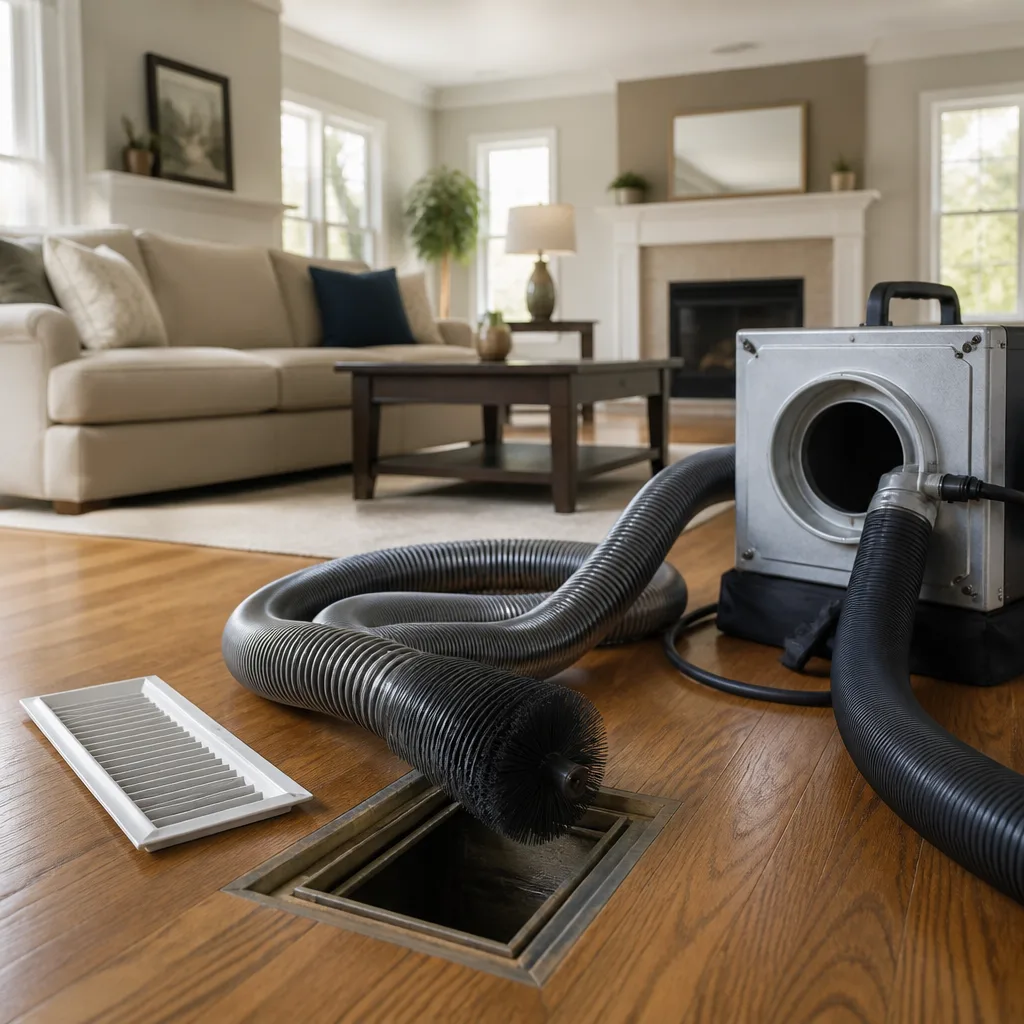 Whole-home duct cleaning
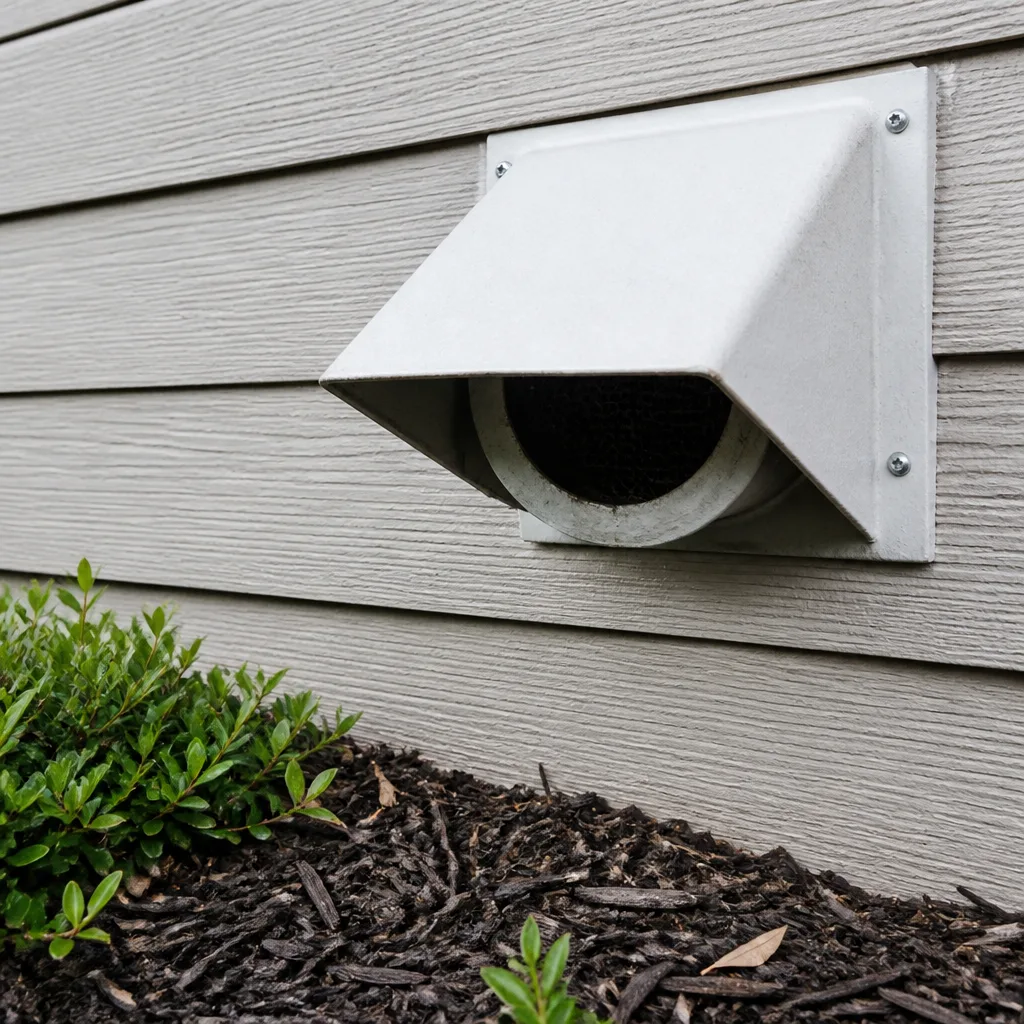 Dryer vent cleaning
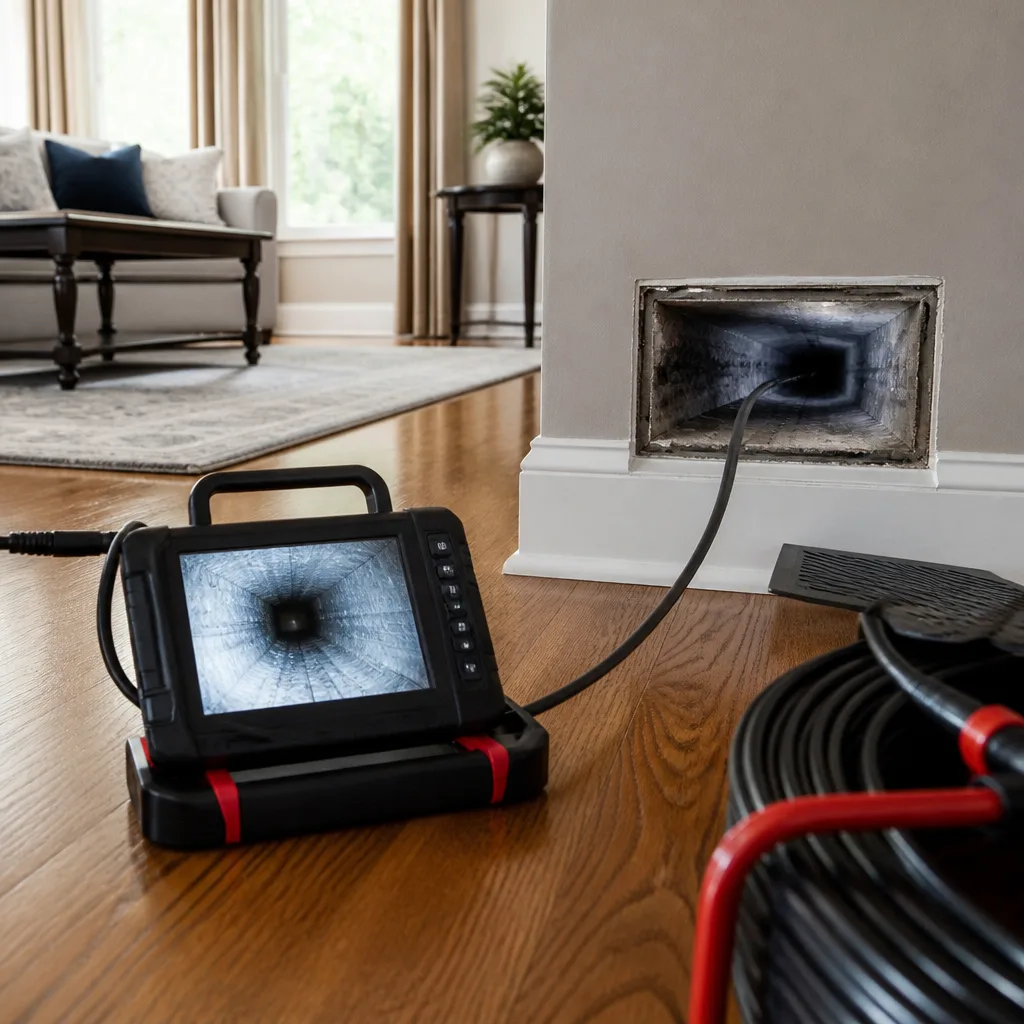 Camera inspection
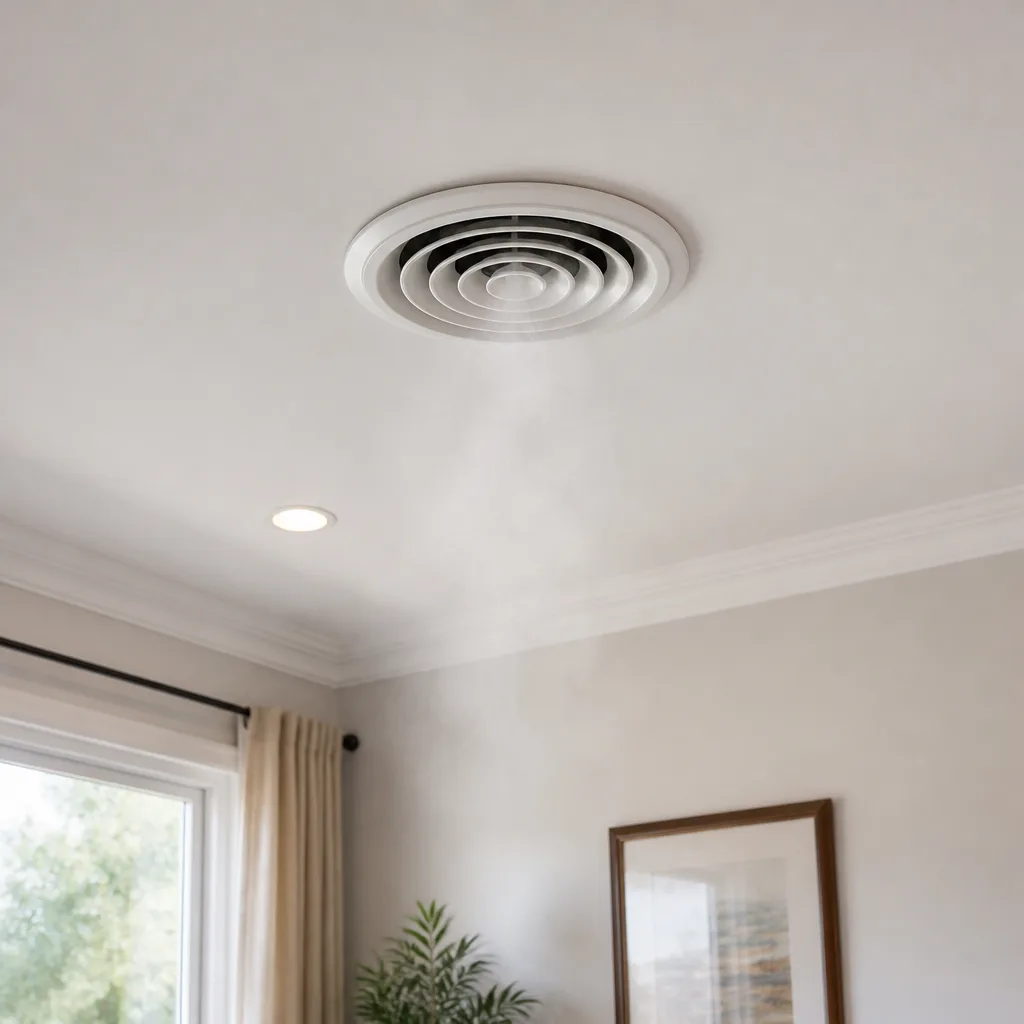 Sanitizing & deodorizing
Whole-system duct and dryer vent check with before-and-after photos - you see exactly what came out of your vents
That "$99 whole-house special" is a bait ad - the real number appears once they are in your hallway, or the "clean" is a shop-vac at the register. We photograph the inside of your ducts before and after instead.
The Complete Air Duct Cleaning Guide for Pocket Homeowners
Most homeowners in Pocket can’t tell whether their ducts were actually cleaned or just vacuumed near the register, and most air duct cleaning companies count on that confusion. The difference between a real cleaning and a surface-level vacuum job is the difference between air that moves freely through clean metal and air that keeps picking up dust from the same dirty ducts it traveled through last year. This guide walks you through every phase of a genuine Air Duct Cleaning in Pocket, from the inspection that should happen before any work begins to the verification that should happen before anyone hands you an invoice. You’ll learn what the equipment actually does, why method matters more than marketing, and how to hold any contractor to a standard that would pass a remediation-grade inspection.
Quick Answer
A complete air duct cleaning in Pocket is a five-phase process: pre-job inspection, mechanical agitation with rotary brushes, negative-pressure extraction with HEPA filtration, targeted repair of any damaged sections discovered, and post-job verification with camera inspection or pressure testing. We break this down in detail in The Complete Guide to Air Duct Cleaning in Pocket. A legitimate whole-system cleaning takes 3 to 5 hours and runs $450 to $900 for a typical Pocket home, depending on duct footage, accessibility, and whether repairs are needed. If a quote skips the inspection or verification phases, the work isn’t complete no matter how convincing the brochure looks.
Styles & brands we work with
- Whole-home duct cleaning
- Dryer vent cleaning
- Camera inspection
- Sanitizing & deodorizing
Table of Contents
- What a Real Air Duct Cleaning Actually Means in Pocket
- The Pre-Job Inspection: What Should Happen Before Any Cleaning Starts
- How Rotary Brush Agitation Works and Why It Matters
- Negative-Pressure Extraction: The Difference Between Cleaning and Moving Dust
- Why Repair and Cleaning Belong in the Same Visit
- Post-Job Verification: The Only Way to Confirm the Work Was Done
- How Sacramento Valley Seasons Affect Duct Cleaning Frequency in Pocket
- What Air Duct Cleaning Actually Costs in Pocket
What a Real Air Duct Cleaning Actually Means in Pocket
Air duct cleaning is not one service. It’s a sequence. In our experience working on homes throughout Pocket, the single biggest gap between what homeowners expect and what they get is the difference between a contact vacuum pass near the register boot and a full-system cleaning that addresses the entire duct run from supply plenum to return drop. The National Air Duct Cleaners Association (NADCA) sets the technical standard for what constitutes a legitimate cleaning: source removal. That means debris is physically dislodged from duct surfaces and extracted from the system, not pushed around or simply vacuumed from the first few feet of visible ductwork.
Pocket’s housing stock makes this distinction especially relevant. Many homes in the area were built between the 1960s and 1980s, with rigid sheet metal ducts that have accumulated decades of construction debris, pet dander, dust, and in some cases, remnants of past renovations. Sheet metal ducts from that era were often sealed with duct tape that degrades over time, loosening at the joints and allowing unfiltered attic air to enter the system. A cleaning that only addresses the visible register area leaves the majority of that accumulated material in place.
Here’s what a complete job looks like, in order:
- Inspection of the full duct system, including supply and return runs, plenum boxes, and branch takeoffs
- Mechanical agitation of all interior surfaces using contact tools, typically a rotary brush system
- Continuous negative-pressure extraction during agitation so loosened debris exits the system rather than settling elsewhere in the house
- Repair of any damaged or disconnected sections discovered during inspection or cleaning
- Post-job verification with camera inspection or static pressure measurement
The equipment matters here, and it’s worth naming names. Professional rotary brush systems like the Rotobrush machines used by remediation and HVAC contractors are engineered to maintain contact with duct walls while a vacuum simultaneously pulls dislodged debris out of the system. Nikro negative-air machines are the same class of equipment used in HVAC restoration and mold remediation projects, where airflow control and HEPA filtration are non-negotiable requirements. This is not the same category of tool as a shop vac with an extended hose attachment. Consumers researching air duct cleaning in Pocket should ask the contractor, before booking, what specific equipment will be used and whether it meets NADCA source-removal standards.
Our positioning at Purevent Air Duct Cleaning home is built around this distinction. We treat ductwork as a system to be cleaned, inspected, and repaired in a single visit, not a surface to be vacuumed. That’s not a marketing nuance. It’s a process difference that determines whether the air moving through your home is actually cleaner after the appointment or just the same air moving through the same dust.
The Pre-Job Inspection: What Should Happen Before Any Cleaning Starts
No legitimate air duct cleaning in Pocket should begin with a vacuum hose. It should begin with an inspection. The inspection phase is where a technician finds out what’s actually inside your ducts, what condition the system is in, and whether any sections need repair before cleaning can be effective. If a company sends a technician who walks in, drops a vacuum line into a vent, and starts working without first mapping your system, that’s a red flag you should not ignore.
A proper pre-job inspection in a Pocket home covers these specific areas:
- Duct material type: Pocket’s older homes typically have rigid sheet metal ducts, while some newer construction uses flexible insulated ductwork. The cleaning method and tool pressure need to be matched to the material. Flex ducts can be damaged by aggressive rotary brushes if the technician doesn’t adjust their approach.
- Joint integrity: Seams and connections between duct sections are the most common failure points. Loose joints allow attic air, insulation particles, and dust to continually enter the system even after a cleaning. An inspection should note which joints need resealing.
- Signs of past moisture: Water staining, rust, or visible organic material inside the duct system tells a story. Pocket’s hot dry summers don’t prevent condensation in ducts that run through unconditioned attic spaces during cool winter nights. Past moisture can lead to clumped dust and, in worst cases, biological growth that mechanical cleaning may not fully address.
- Register condition: Floor registers in many Pocket homes sit in the flow of daily life. They collect everything from pet hair to spilled liquids. The inspection should note whether registers and boots need replacement or can be cleaned and reinstalled.
- Access limitations: Depending on where your air handler sits and how your duct runs are configured, the technician may need to cut access points or use existing ones. A good inspection determines what’s accessible and what needs additional access before the work begins.
In our experience, roughly one in four Pocket homes we inspect has at least one section of ductwork that needs repair before cleaning can be considered complete. That might be a disconnected branch line in the attic, a hole punched through a return duct during a past renovation, or a collapsed section of flex duct that’s been restricting airflow for years. The inspection is where these issues surface. A cleaning company that doesn’t inspect won’t find them, and a cleaning company that doesn’t repair them will leave behind a system that’s clean today and dirty again tomorrow.
How Rotary Brush Agitation Works and Why It Matters
Here’s a truth about dust: it doesn’t come off duct walls because you ask nicely. The fine layer of debris that builds up inside air ducts over years of operation is often compacted against the metal surfaces, held in place by static electricity, humidity cycles, and the simple physics of airflow. To remove it, you need mechanical contact. That’s what a rotary brush system does.
A Rotobrush cleaning system uses a motor-driven brush head connected to a flexible shaft. When the technician feeds the shaft into a duct run, the brush head spins at high speed while simultaneously connecting to a vacuum that pulls dislodged material out of the system in real time. The brush agitates the full circumference of the duct wall, knocking loose the compacted debris, and the vacuum captures it before it can settle back into the system or blow out into the living space. The brush and vacuum work together. That’s the whole point. Agitation without extraction just redistributes dust. Extraction without agitation removes only whatever is loose and easy, leaving the majority of the buildup in place.
The rotary brush method matters especially in Pocket because of the dust profile of the Sacramento Valley. The Central Valley produces a fine, clay-like dust from the surrounding agricultural regions that behaves differently than household lint or pet hair. It’s small enough to become airborne easily, heavy enough to compact over time, and often contains minerals that make it cling to metal surfaces. In our experience on Pocket homes, the layer of dust we brush off duct walls has often been there for more than a decade. It doesn’t move with light suction alone.
There’s a meaningful difference between rotary brush systems and the alternatives. Some companies use blow-out methods, pushing compressed air through the system to blast debris toward a collection point. This can work in commercial settings with short, straight duct runs, but in residential systems with branches, elbows, and variable insulation, the blow-out method has a persistent problem: it pushes debris into spaces it can’t extract from. Other companies use what amounts to a large vacuum with a whip or paddle attachment, which agitates only within a few feet of the register opening. The result is clean near the registers and untouched at the center of the duct run, which is exactly the pattern a homeowner would never see without a camera inspection.
The professional tool brands we rely on here at Purevent are selected for build quality and airflow consistency. Nikro negative-air machines maintain the constant suction that makes agitation effective, pulling thousands of cubic feet of air per minute through the system during cleaning. The combination of contact agitation from a Rotobrush head and consistent extraction from a Nikro unit is what enables source-removal results rather than cosmetic improvement.
Negative-Pressure Extraction: The Difference Between Cleaning and Moving Dust
Take everything we just said about rotary brushing and understand that it only works if the vacuum is doing its job. Negative-pressure extraction is the single most misunderstood part of air duct cleaning, and it’s also the part where short cuts are most damaging. The concept itself is straightforward: by creating lower air pressure inside the duct system than in the surrounding space, a professional vacuum unit ensures that airborne particles move out of the system rather than escaping into the house. When a technician agitates dust off the duct walls, that dust is now loose and airborne. If the vacuum isn’t pulling hard enough, that dust drifts to other parts of the system, or worse, pushes out through registers into the rooms where you sleep and eat.
A professional negative-air machine suitable for whole-system cleaning moves air in the range of 2,000 to 5,000 cubic feet per minute. These machines are not consumer tools. They’re the same class of equipment used in hospital construction isolation, mold remediation, and HVAC restoration, applications where failing to contain particulates has immediate and serious consequences. This is why we reference Abatement Technologies in the context of our equipment kit: their negative-air and HEPA filtration systems are designed for contamination control, not just general cleaning.
For a Pocket homeowner, the practical consequence of this distinction is simple. A company using a consumer-grade or light commercial vacuum might be able to pull dust from within a few feet of the register. A company using a true negative-air machine can execute a cleaning that removes debris from the supply plenum at one end of the system to the return drop at the other, all while the machine’s HEPA filter captures the fine particles that would otherwise pass through a standard filter and recirculate into the home.
Here’s how the negative-pressure process works during a residential cleaning:
- The negative-air machine is connected to the duct system at a strategic access point, often at the supply plenum or return drop
- The machine is sealed to the opening so that all airflow through the system is directed through the machine’s filter stack
- The technician seals the system’s remaining registers, creating a closed loop where the only exit point is through the HEPA-filtered vacuum
- Rotary brush agitation begins on the first duct run, loosening debris into the airstream
- The negative pressure pulls loosened debris toward the machine continuously throughout the agitation process
- After each run, the technician checks suction readings and adjusts before moving to the next section
This is what separates a real cleaning from a theatrical one. When the negative-air machine is running properly, you can feel airflow at each open register and hear the system pulling continuously. It sounds like work. A company running a small vacuum near one vent at a time while leaving the rest of the system open is performing a fundamentally different service, and for a home in Pocket, where dust accumulation is a persistent fact of Valley life, the difference will show up in weeks, not months.
Why Repair and Cleaning Belong in the Same Visit
Imagine paying to have your car detailed and then driving it away with a cracked window. The interior is clean today, but the problem that let dirt in is still there. This is exactly what happens when an air duct cleaning company discovers a leaking joint, a disconnected branch line, or a collapsed section of flex duct and then simply notes the issue and moves on. The cleaning is immediately compromised, even if the technician did a thorough job.
Here at Purevent, air duct repair in Pocket is not a separate service we reluctantly offer. It’s part of the reason we offer cleaning at all. A duct system is only as clean as the repair it needs. If a return duct in your attic has a hole punched through it from a past cable installation, every time your system runs, it’s pulling unfiltered attic air directly into the airstream. That attic air carries fiberglass insulation particles, dust from the roof deck, and whatever pests have left behind. No amount of cleaning will fix that. The hole has to be sealed, then the system cleaned, then the repair verified.
Common repairs we encounter in Pocket homes during the course of cleaning:
- Loose or disconnected branch lines: Flexible duct sections that have pulled away from their takeoff collars due to age or poor original installation
- Crushed or kinked flex duct: Often found in attics where storage boxes, holiday decorations, or past trades people have compressed the duct run
- Sagging sections: Sheet metal or flex duct that has dropped from its supports and created a low point where dust and, in humid periods, moisture can collect
- Gaps at the plenum connection: The junction where the duct system meets the air handler or furnace is a frequent source of air loss and contamination
- Damaged register boots: The transition pieces at the end of each duct run where the register grille attaches, often dented or torn from foot traffic or vacuum collisions
A company that offers both cleaning and repair can address these findings in the same appointment. A cleaning-only company has to either ignore them, which leaves you with a compromised system, or refer them to a third-party contractor, which means another scheduling cycle, another unfamiliar company in your home, and another invoice. That’s the practical reason why a single-company scope covering cleaning, repair, and dryer vent cleaning in Pocket makes sense for homeowners. One technician group that understands your whole system, one accountability point if something isn’t right, one call if you have questions later.
Post-Job Verification: The Only Way to Confirm the Work Was Done
The air duct cleaning industry has a transparency problem. The work happens inside walls, attics, and crawlspaces where the homeowner can’t see it. The vast majority of the surfaces being cleaned are invisible to the person paying for the service. This is why post-job verification isn’t a nice-to-have. It’s the only trustworthy way to confirm that the work was actually performed to the standard that was quoted.
A proper verification phase has two components. The first is visual: the technician should run a camera through the cleaned duct runs and show you what they see. A duct that has been genuinely cleaned will show bare, uniform metal surfaces with no visible dust accumulation. A duct that has not been cleaned will show patchy residue, streaks of remaining debris, or visible accumulation in the corners and seams. You should be able to watch this inspection happen in real time, not just be told that it happened after the fact. Before-and-after images of the same duct section are the most powerful proof a company can provide.
The second component is mechanical: a static pressure test or airflow measurement taken before and after the cleaning. This measures the resistance of the duct system and confirms that the cleaning and any repairs have actually improved airflow. This is especially relevant in Pocket, where summer temperatures regularly exceed 95 degrees and a system with limited airflow has to work dramatically harder to cool a home. If your ducts were restricted before the cleaning and the restriction hasn’t improved after, that’s a measurement, not an opinion.
We do not consider a cleaning complete until both verification steps have been performed and the homeowner has seen the results. That’s not a company policy designed to impress. It’s the logical endpoint of the sequence we described at the start of this guide. Inspection tells you what needs doing. Agitation and extraction do the work. Repair fixes what the work revealed. Verification proves the work was done. Skip any of those phases and you don’t have a complete cleaning. You have a partial one with a full invoice.
How Sacramento Valley Seasons Affect Duct Cleaning Frequency in Pocket
One of the most common questions we get from homeowners in Pocket is about timing: when should air ducts be cleaned, and how often? The answer depends on the seasonal patterns of the Sacramento Valley, and those patterns are specific enough to be worth understanding.
The Sacramento Valley has two high-impact periods for indoor air quality. The first is late summer through early fall, when agricultural harvesting kicks up substantial dust from the surrounding farmland, and wildfire smoke from the Sierra foothills and coastal ranges drifts across the Central Valley. During these months, outdoor air quality in the Sacramento region frequently drops to unhealthy levels, and whatever particles are in the air outside are also being pulled into your HVAC system every time it cycles on. The second is the mid-winter period, when cold overnight temperatures cause condensation in attic duct systems and dry indoor air encourages dust to become airborne and recirculate continuously through your living space.
For most Pocket homes without extraordinary circumstances, every three to five years is a reasonable cleaning interval. That timeline shortens if you have pets that shed heavily, if anyone in the household smokes indoors, if you’ve completed a renovation in the past year, or if any of the following conditions are present:
- Visible dust accumulation on registers or vent covers within days of cleaning them
- Musty or stale odor when the HVAC system cycles on
- Unexplained increase in allergy symptoms or respiratory irritation while indoors
- Reduced airflow from certain registers even after changing the air filter
- Scurrying sounds in ceiling or attic spaces indicating rodent activity in or near the duct system
The wildfire smoke factor deserves special attention. After a significant smoke event in the Sacramento region, many Pocket homeowners notice that the smell lingers in their homes long after the outdoor air has cleared. That’s because the fine particulate matter from wildfire smoke settles into your duct system and gets redistributed every time the HVAC runs. In our experience, homes that went through severe smoke seasons in 2020 and 2021 had measurable buildup in their ducts even when the homeowners had changed their air filters diligently. The filters catch what passes through them, but whatever settles in the ductwork before reaching the filter stays there until it’s mechanically removed.
What Air Duct Cleaning Actually Costs in Pocket
Let’s talk about price without doing the industry’s favorite dance. Air duct cleaning quotes in Pocket vary wildly for reasons that have less to do with the actual work and more to do with how the company approaches the service. On one end, you have $99 whole-home offers that are almost certainly bait for a much larger upsell once a technician is in the house. On the other end, you have companies that price solely by square footage and deliver a quote that’s padded with add-ons that should have been included in the base scope.
An honest whole-system cleaning in the Pocket area generally falls between $450 and $900 for a typical single-family home. The range depends on the number of duct runs, the size of the air handler, the accessibility of the attic or crawlspace, and whether repairs are required. Here’s how that breaks down in practice:
- Base system cleaning (up to 10 supply runs, 1 return): $450 to $650
- Larger system cleaning (10 to 18 supply runs, multiple returns): $650 to $900
- Repairs discovered during cleaning: $75 to $300 per repair, depending on the nature and accessibility of the damage
- Dryer vent cleaning (add-on or standalone): $100 to $200
- Post-cleaning camera verification: Typically included in the base cleaning, but confirm before booking
What should never happen is pricing that starts low and escalates after the work begins. A legitimate company will quote a firm price before the appointment, based on a consistent pricing structure, and hold to it unless the inspection reveals something material that changes the scope. If the inspection reveals that to be the case, you should be told before the additional work happens, with the option to decline. No work performed without disclosure. No surprise line items at the end.
This is a good place to address the most common objection research-minded homeowners raise: why do some quotes come in so much cheaper, and what’s actually being lost in the lower price? The answer is almost always process removal. The cheap quote skips the inspection, uses a light commercial vacuum instead of a negative-air machine, agitates only near the registers, performs no repairs, and provides no verification. The technician is in and out in 90 minutes, and the homeowner has no way to know that the center of the duct system remains as dirty as it was that morning. The expensive-looking quote is usually the honest one, and the honest one is usually the same service that would pass a NADCA inspection.
Common Mistakes to Avoid
- Booking based on a telephone estimate without a home walkthrough. No legitimate company can price a duct cleaning accurately without seeing the system. A phone quote for a whole-home cleaning is either a guess or a teaser rate designed to get a technician into the house.
- Accepting work that starts before the inspection. If the first thing a technician does is open the vacuum, the job has already skipped its most important phase. You deserve to see what’s in your ducts and hear what was found before work begins.
- Paying per vent without understanding the total system price. Per-vent pricing structures can obscure the total cost and encourage technicians to rush through individual registers. The honest quote is for the whole system, not a la carte per opening.
- Assume that because the ducts look clean near the register, they’re clean everywhere. The first few feet of a duct run are the only part visible from the living space. The center of the run, inside the attic, can be dramatically worse. Verification requires a camera, not a glance.
- Putting off repairs because the ducts are “clean enough for now.” A leaking joint will re-contaminate the system within weeks. If the repair is needed, the cleaning is incomplete without it. The two go together or not at all.
- Using a dryer vent cleaning as a throw-in add-on without inspecting the entire vent path. Pocket’s older homes often have long, multi-elbow dryer vent runs with significant lint accumulation at every turn. A complete dryer vent cleaning addresses the full path from dryer to exterior termination, not just the first few feet.
- Choosing a bid where the equipment isn’t specifically named. “Professional-grade tools” is not a piece of equipment. If the quote doesn’t tell you what machinery will be used, ask. If the answer is vague, find a company that will tell you.
See the difference
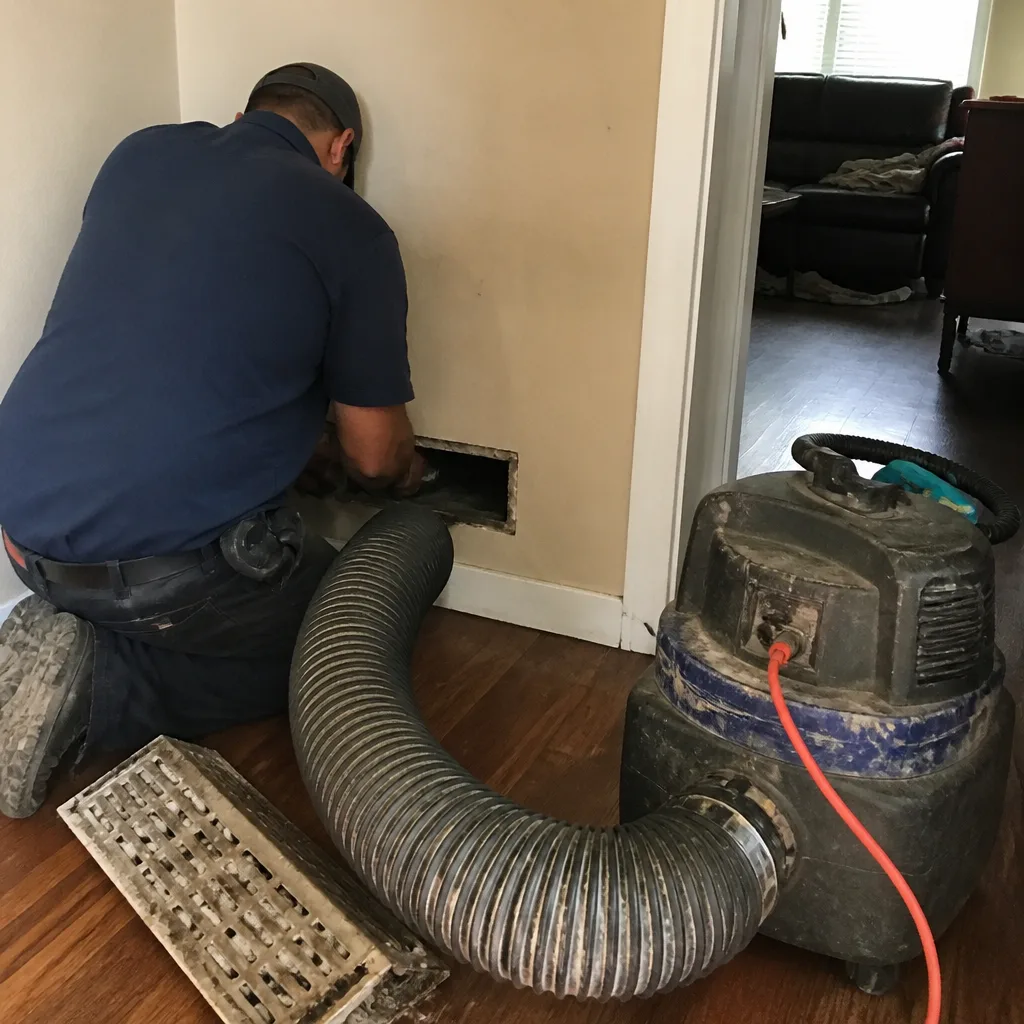 Before
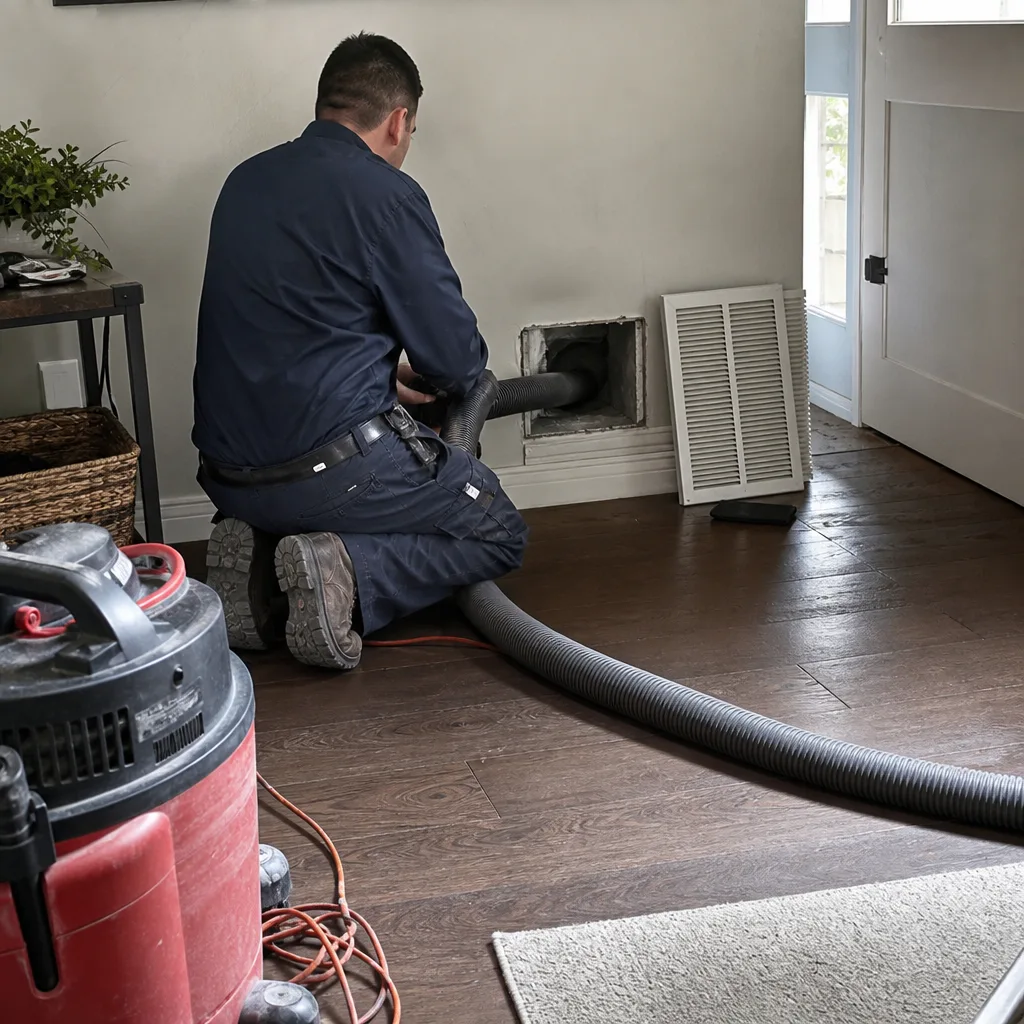 After
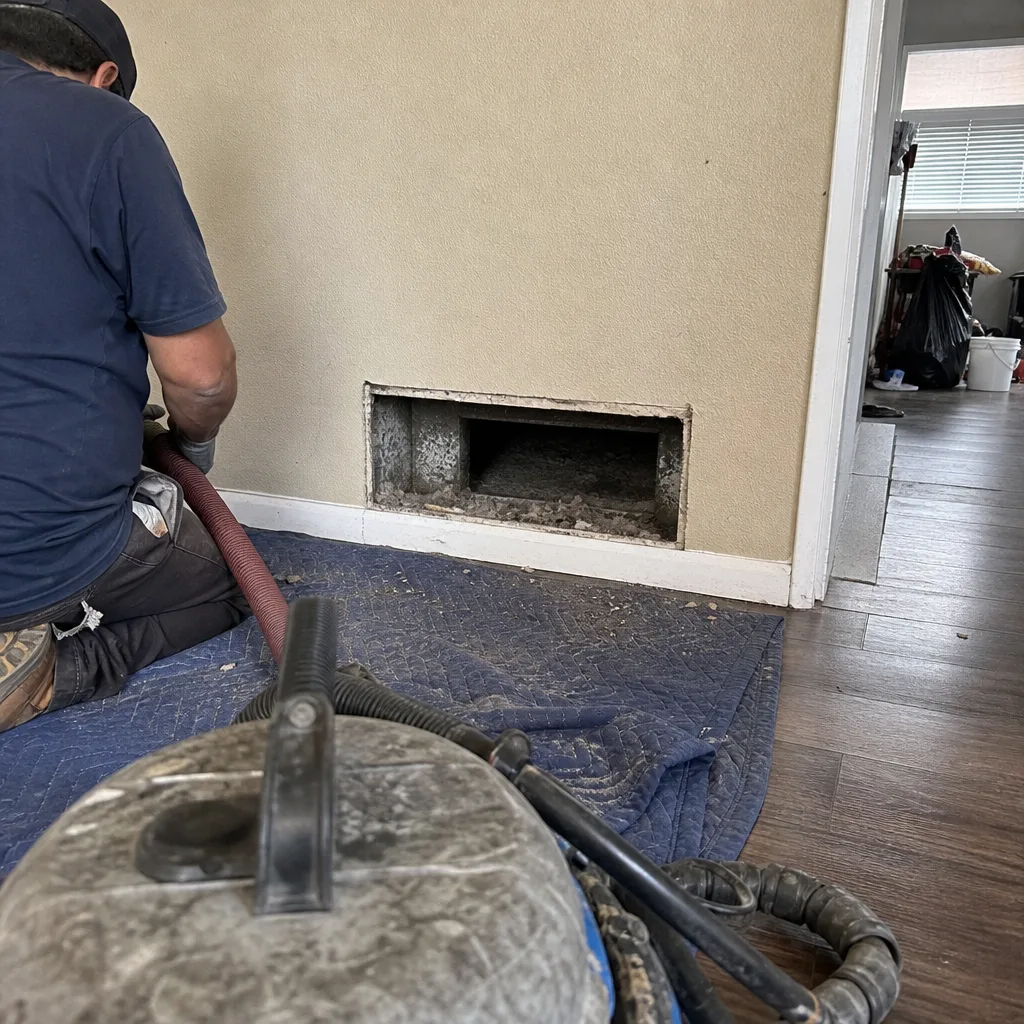 Before
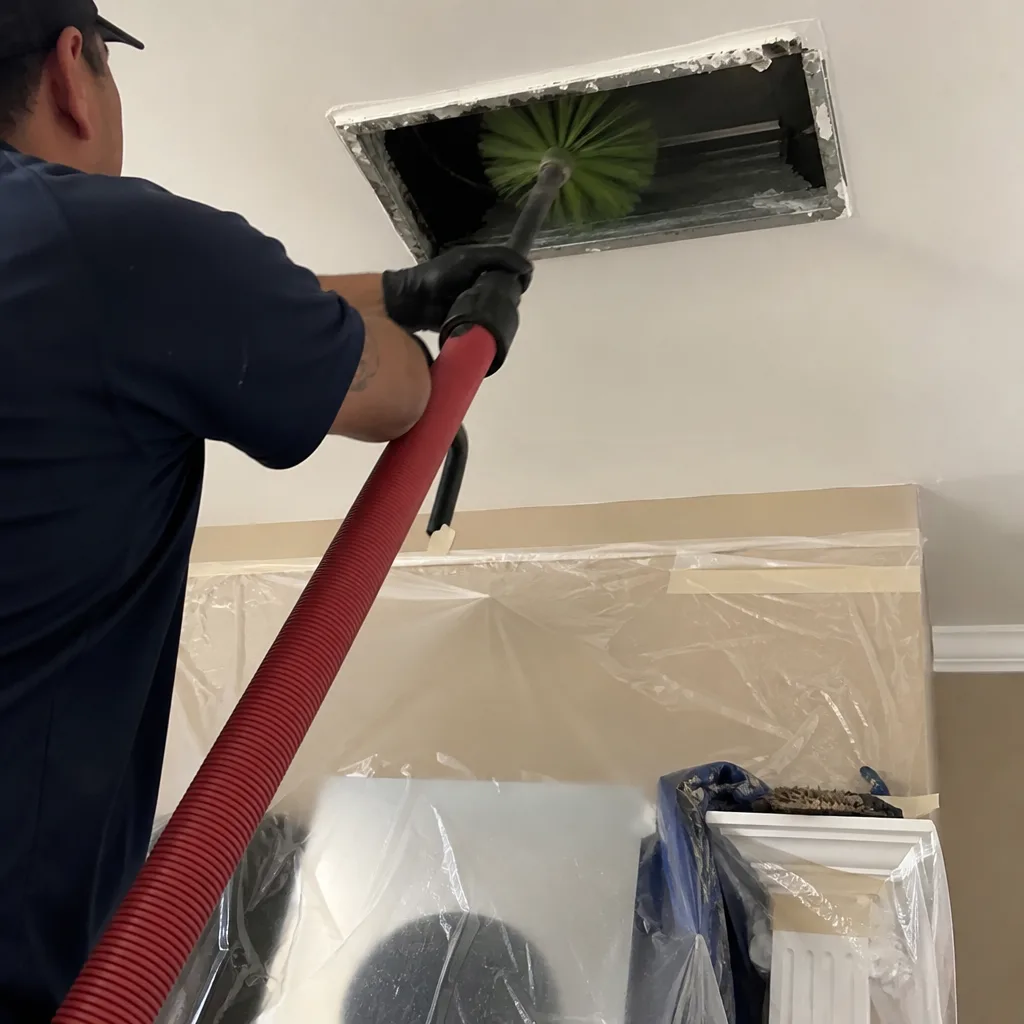 After
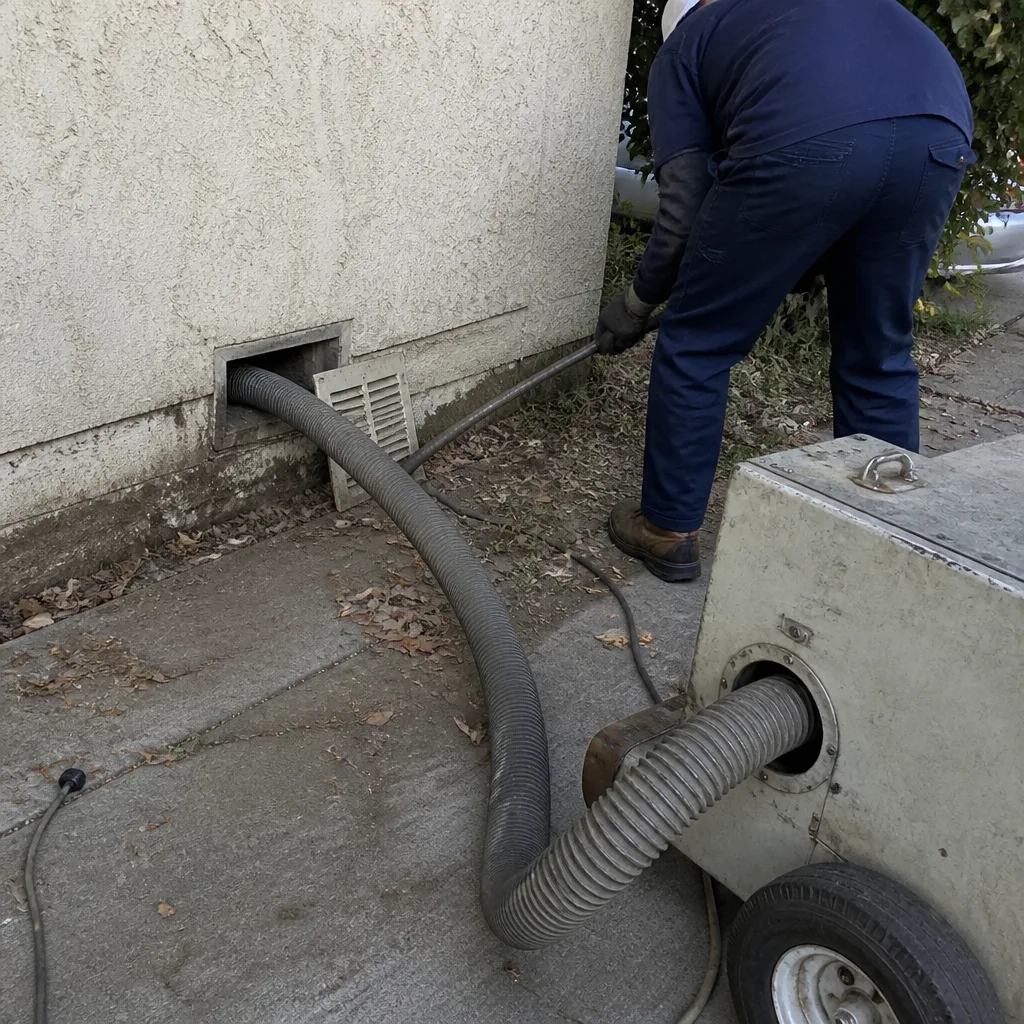 Before
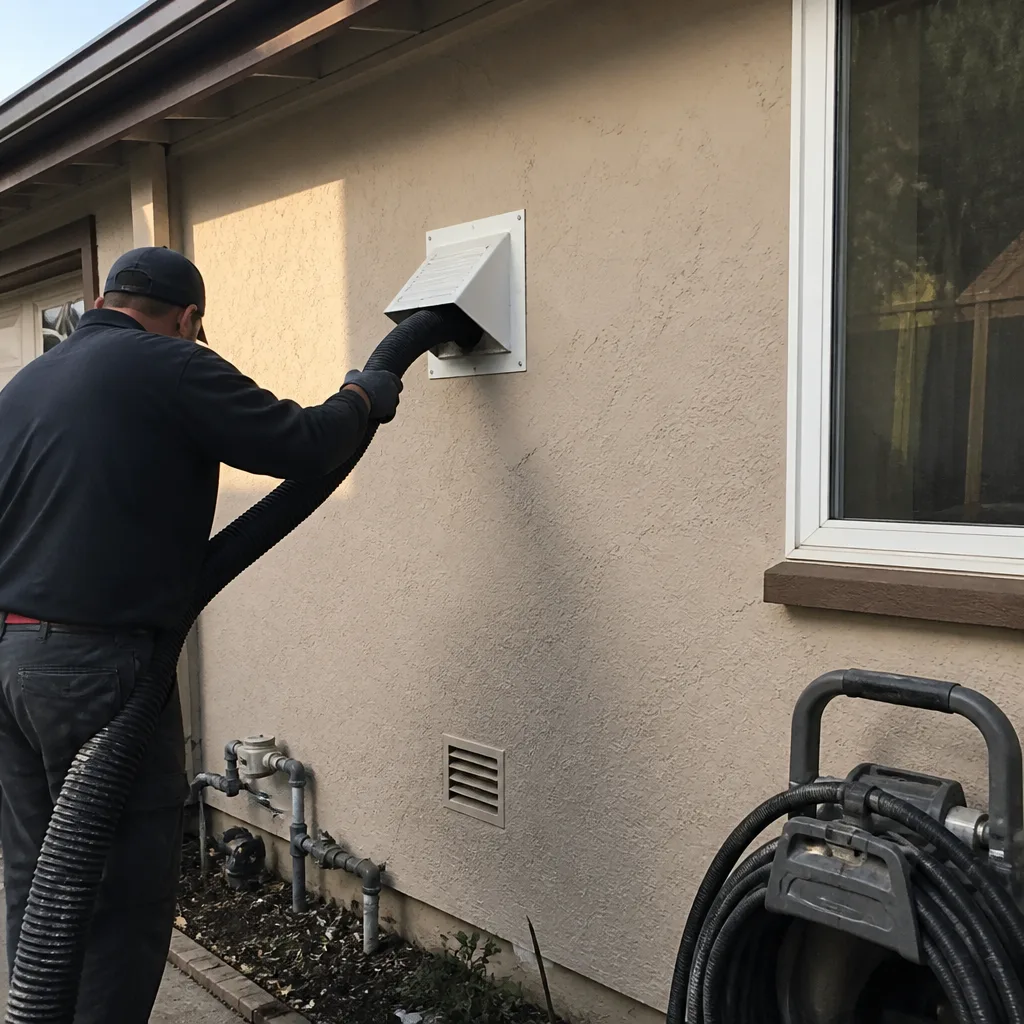 After
When to Call a Professional
Air duct cleaning is not a DIY project. The system is enclosed, the access points are often in cramped attic or crawlspace conditions, and the damage that can be done by improvised cleaning methods ranges from punctured duct walls to dislodged connections that leak conditioned air into unconditioned spaces. If you have noticed visible dust accumulation around your registers within days of cleaning, if allergy symptoms are worse indoors than out, if you’re changing filters more often than the manufacturer’s recommendation should require, or if it’s been more than five years since anyone inspected the ducts, that’s the threshold. If you’ve experienced a wildfire smoke season in the Sacramento Valley since the last cleaning, mark it sooner. Purevent Air Duct Cleaning offers free estimates in Pocket, call (877) 752-5088. We inspect before quoting, and the price is the price before work begins.
Frequently Asked Questions
A legitimate whole-system air duct cleaning in Pocket runs between $450 and $900 for a typical single-family home, depending on the number of supply runs, the system configuration, and whether any repairs are required during the work.
Any quote substantially below that range is cutting process corners somewhere, usually the inspection or the verification phase. The honest way to get your actual number is a walkthrough with a company that prices by system size rather than per vent. Call (877) 752-5088 for a free estimate and we’ll give you a firm price before any work begins.
Ask for visual verification before and after the cleaning, using a camera that runs through the full duct length. You should be able to see bare metal surfaces in the after-image, and the footage should come from the same section that was shown before work began.
Legitimate companies will show you the camera feed live, not just send you a write-up. This is the only reliable way to confirm that the center of the duct run, not just the first few feet from the register, is actually clean.
Cheaper quotes are almost always cheaper because they remove process steps: no inspection, no mechanical agitation beyond a light vacuum pass, no negative-air extraction, no repairs, no verification. The technician moves quickly through the accessible sections, and the homeowner receives a clean first few feet of ductwork and a bill.
You can’t verify what you can’t see, and that’s the cheap company’s advantage. If the price seems too good to support the five-phase process described in this guide, it probably is.
For most Pocket homes without special circumstances, every three to five years is a reasonable interval. That timeline shortens after heavy wildfire smoke seasons, during and after home renovations, and in homes with multiple pets, indoor smoking, or a history of rodent activity in the attic.
The Sacramento Valley’s seasonal dust cycle means that the regional baseline for duct contamination is higher than in coastal or mountain communities. If it’s been more than five years since your last cleaning, you’re likely overdue.
If your allergies are triggered by dust, pollen, or pet dander that has accumulated in your duct system and is being recirculated whenever the HVAC runs, a mechanical cleaning that removes that debris can reduce the continuous indoor exposure.
It’s not a cure, and we won’t pretend it is. But for homeowners whose symptoms are consistently worse indoors, particularly in the morning after the HVAC has run overnight, removing decades of accumulated particulate from the distribution system is a meaningful step.
Air duct cleaning addresses the HVAC distribution system: the supply and return ducts that move conditioned air through your home. Dryer vent cleaning addresses a separate, high-risk exhaust system that carries lint from your clothes dryer to the exterior of the house.
Dryer vents are a fire risk, not just a performance issue. Lint accumulation in the vent path is the leading cause of dryer-related fires in residential homes, and the longer the vent run, the more accumulation at each elbow and low point. In Pocket’s older homes, where vent runs often stretch across entire ceiling cavities, this is a maintenance item worth taking seriously.
The Bottom Line
A real air duct cleaning in Pocket is a five-phase sequence: inspect, agitate, extract, repair, verify. Everything else is the industry’s equivalent of rinsing the outside of a dirty glass and calling it clean. The homeowners who get value from this service are the ones who ask what equipment will be used, what the inspection uncovered, how the extraction will work, and whether the company can show them the before-and-after evidence. The homeowners who get burned are the ones who accept a phone quote, watch a technician vacuum near a register for an hour, and never see the inside of their duct system at all. If you’ve read this far, you already know which side of that divide you’d rather be on. The only question left is what’s actually in your ducts, and the only way to answer that is an inspection. Call (877) 752-5088 and we’ll come look.
Written by the team at Purevent Air Duct Cleaning, serving Pocket since 2017.