
Last updated November 2, 2026
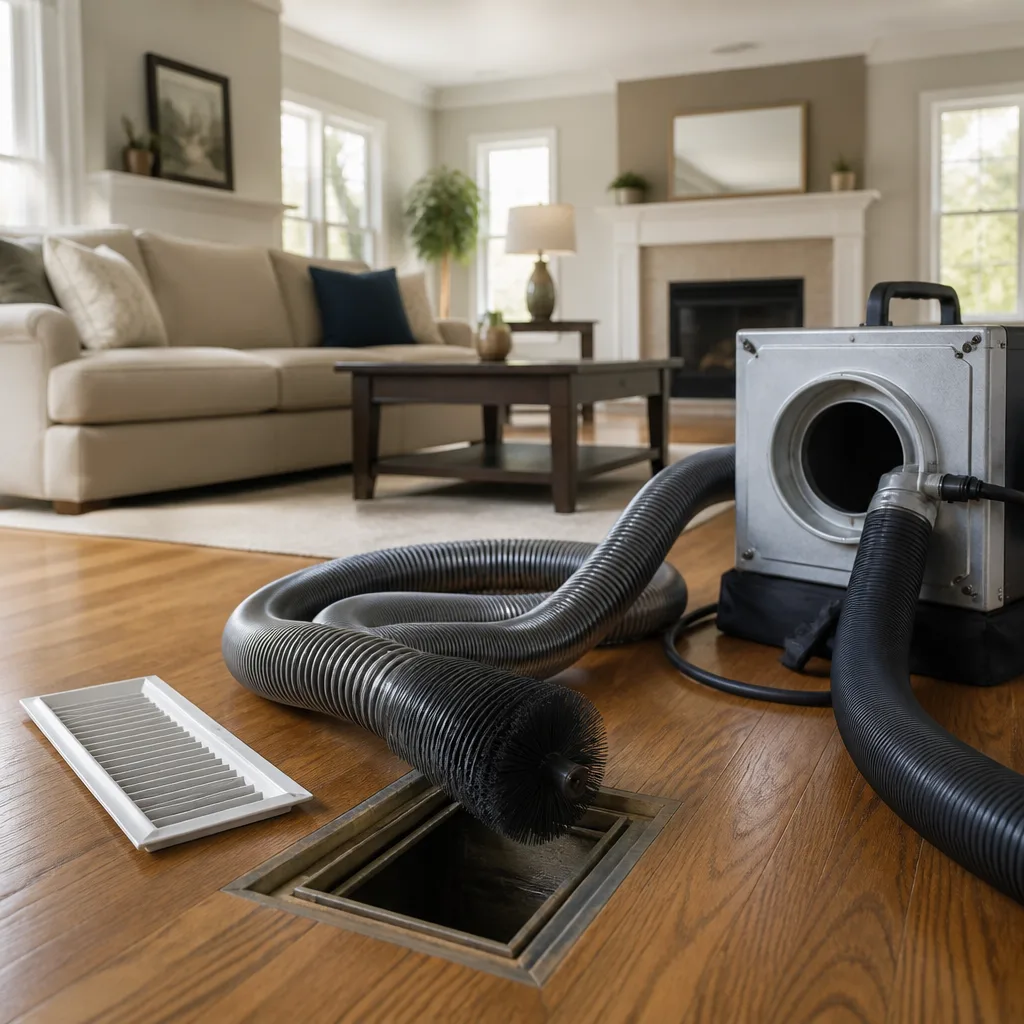 Whole-home duct cleaning
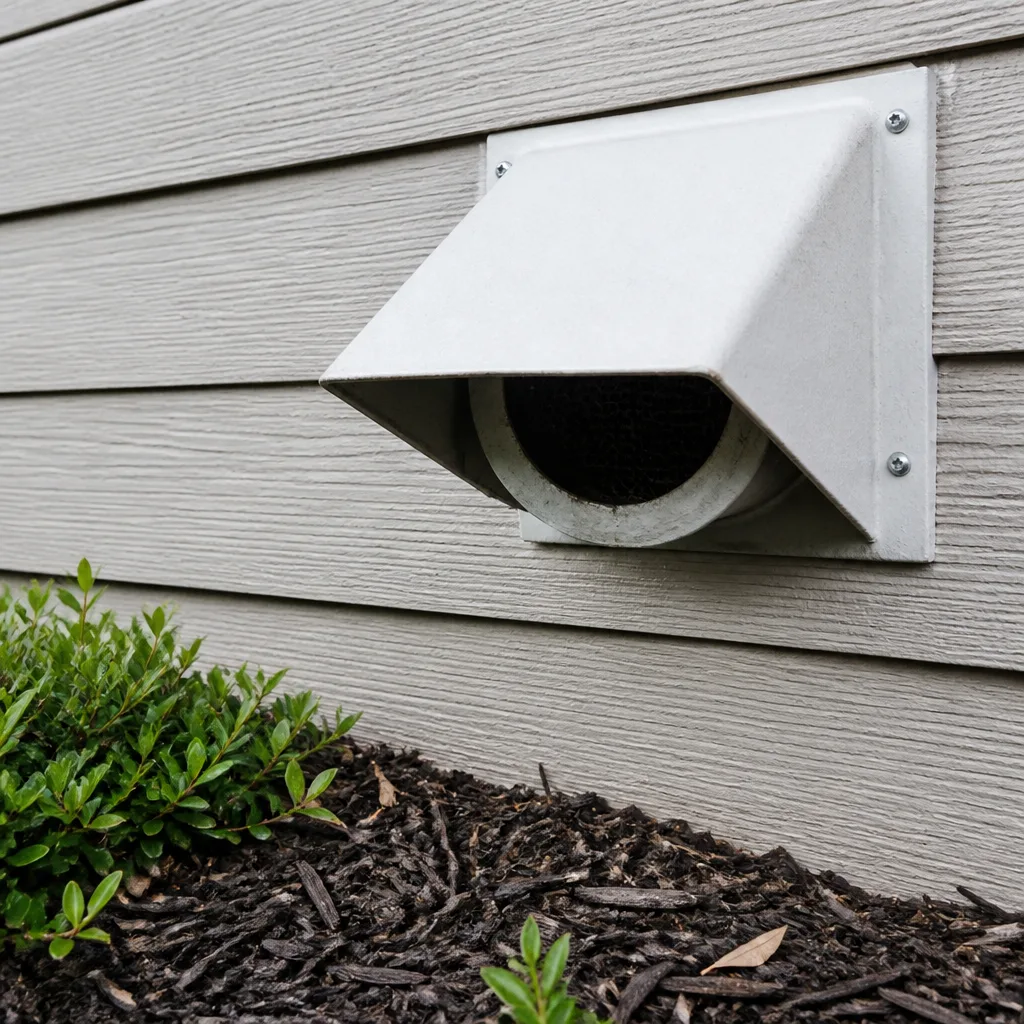 Dryer vent cleaning
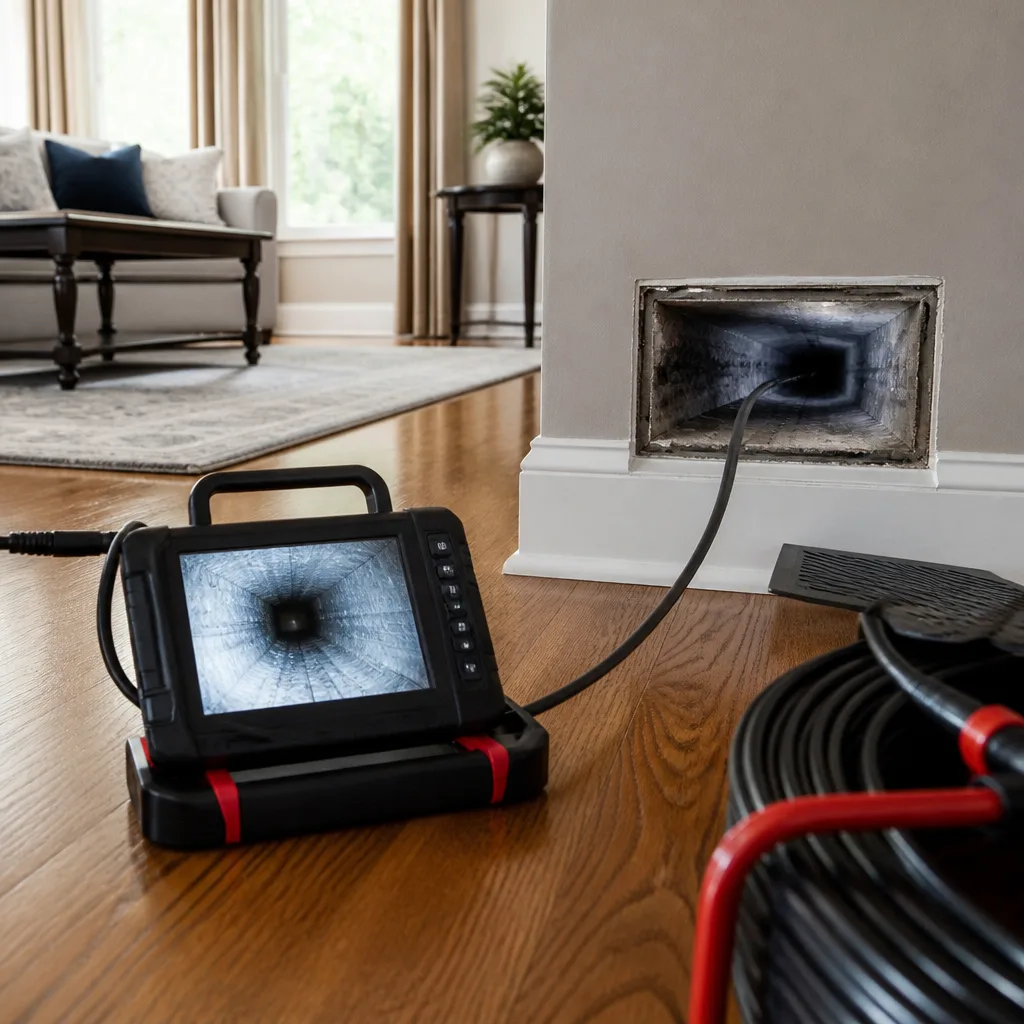 Camera inspection
 Sanitizing & deodorizing
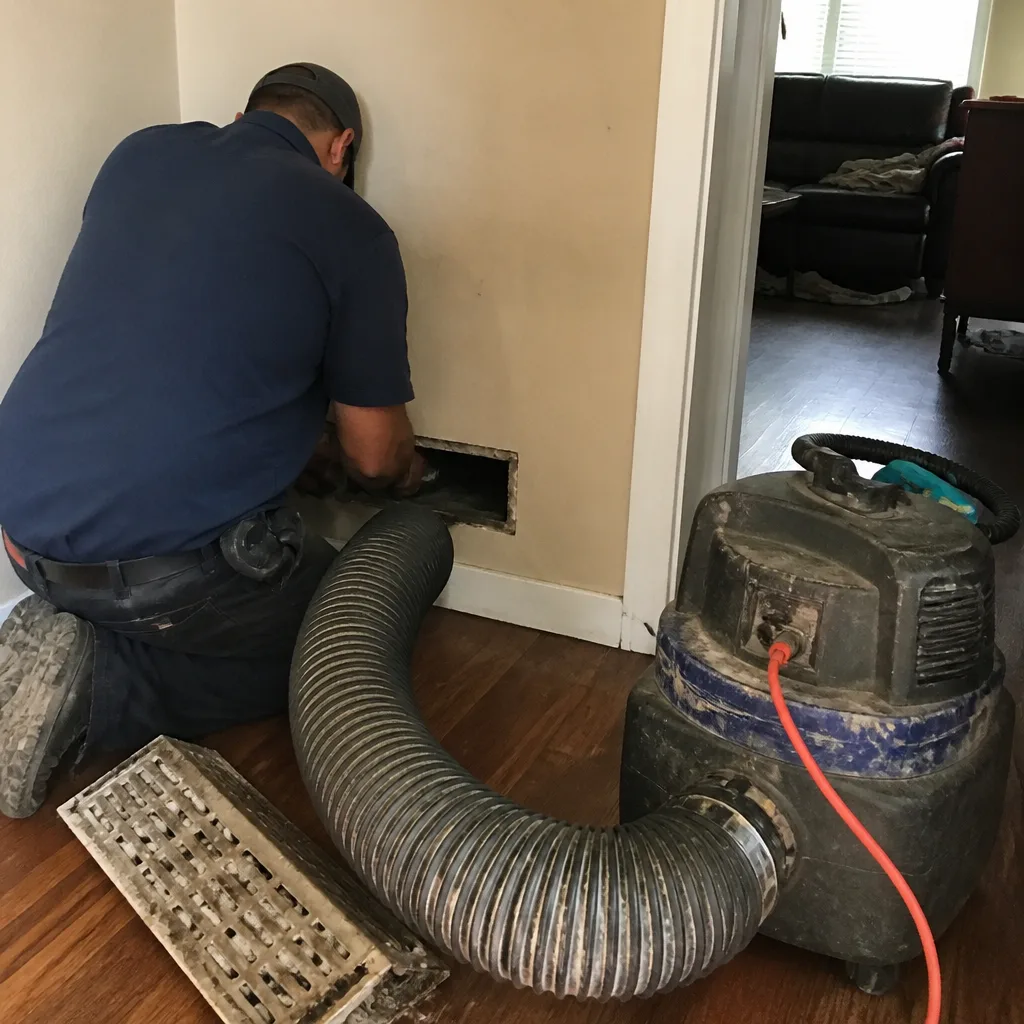
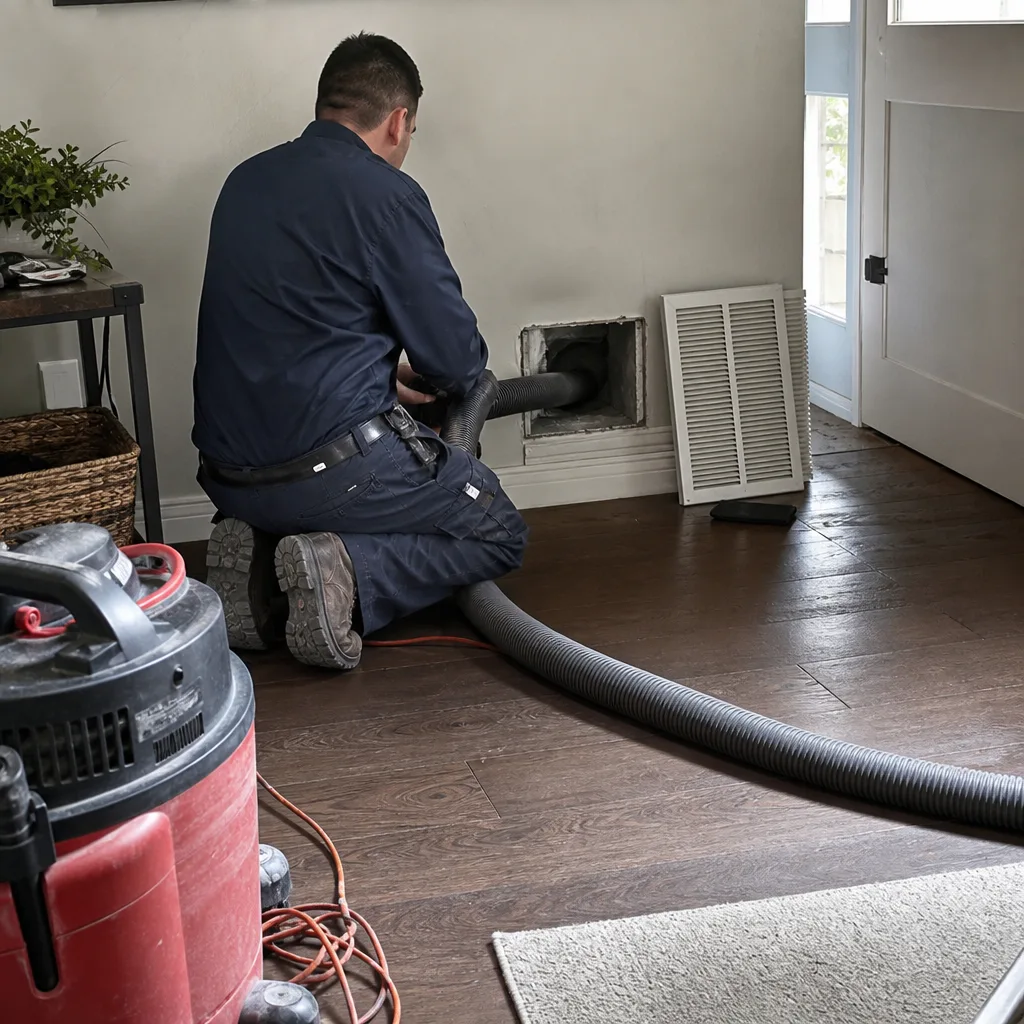
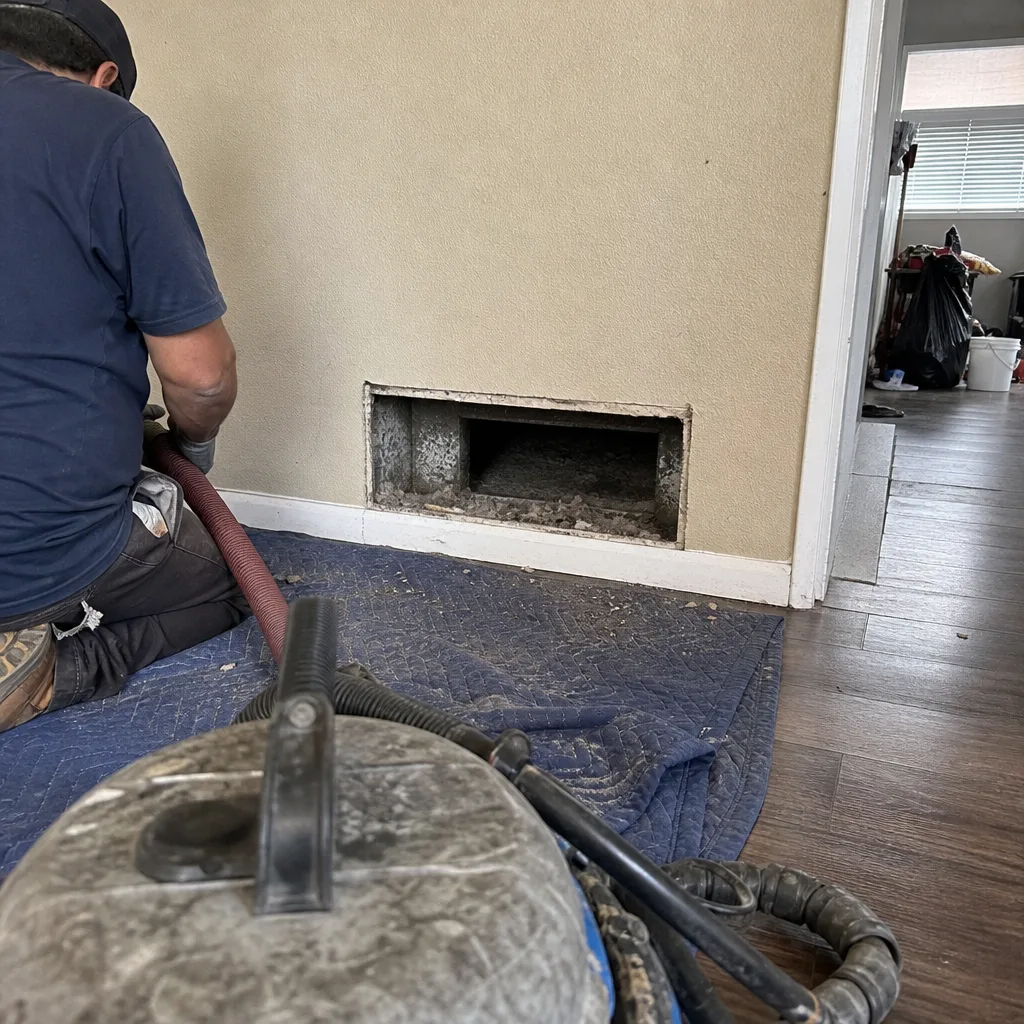
Whole-system duct and dryer vent check with before-and-after photos - you see exactly what came out of your vents
That "$99 whole-house special" is a bait ad - the real number appears once they are in your hallway, or the "clean" is a shop-vac at the register. We photograph the inside of your ducts before and after instead.
Air Duct Cleaning Permits, Codes & Inspections in CA: What You Need to Know
Here’s a sentence most Sacramento homeowners have never heard: you don’t need a permit to clean your air ducts in California. But the moment a technician discovers a disconnected duct section, a crushed return, or a leaking plenum and attempts to fix it, the legal ground shifts. That repair now falls under California Mechanical Code and Title 24 energy compliance rules. If the work is done without a permit when one is required, you could be the one answering for it during a home sale inspection years later. We see this confusion regularly in Pocket, where homes built in the 1960s through 1980s carry duct systems that often need more than a vacuum. This guide walks you through exactly where that line sits.
Styles & brands we work with
- Whole-home duct cleaning
- Dryer vent cleaning
- Camera inspection
- Sanitizing & deodorizing
Quick Answer
Cleaning air ducts requires no permit anywhere in California, including Sacramento County. However, duct repairs, modifications, replacements, or any work that alters the physical structure of the duct system may require a mechanical permit under the California Mechanical Code. Sealing and insulation upgrades made during repair work must also meet Title 24 energy efficiency standards, and any known duct deficiencies must be disclosed when you sell your home.
Table of Contents
- Where Cleaning Ends and Permit Work Begins
- Sacramento County Permit Requirements for Duct Work
- Title 24 Energy Compliance and Duct Sealing
- What a Code-Compliant Duct Repair Actually Looks Like
- Real Estate Disclosure: What Sellers Must Reveal
- How to Verify a Contractor’s C-20 HVAC License
- What Pocket Homeowners Should Know About Their Duct Systems
- Common Mistakes to Avoid
- When to Call a Professional
- Frequently Asked Questions
- The Bottom Line
Where Cleaning Ends and Permit Work Begins
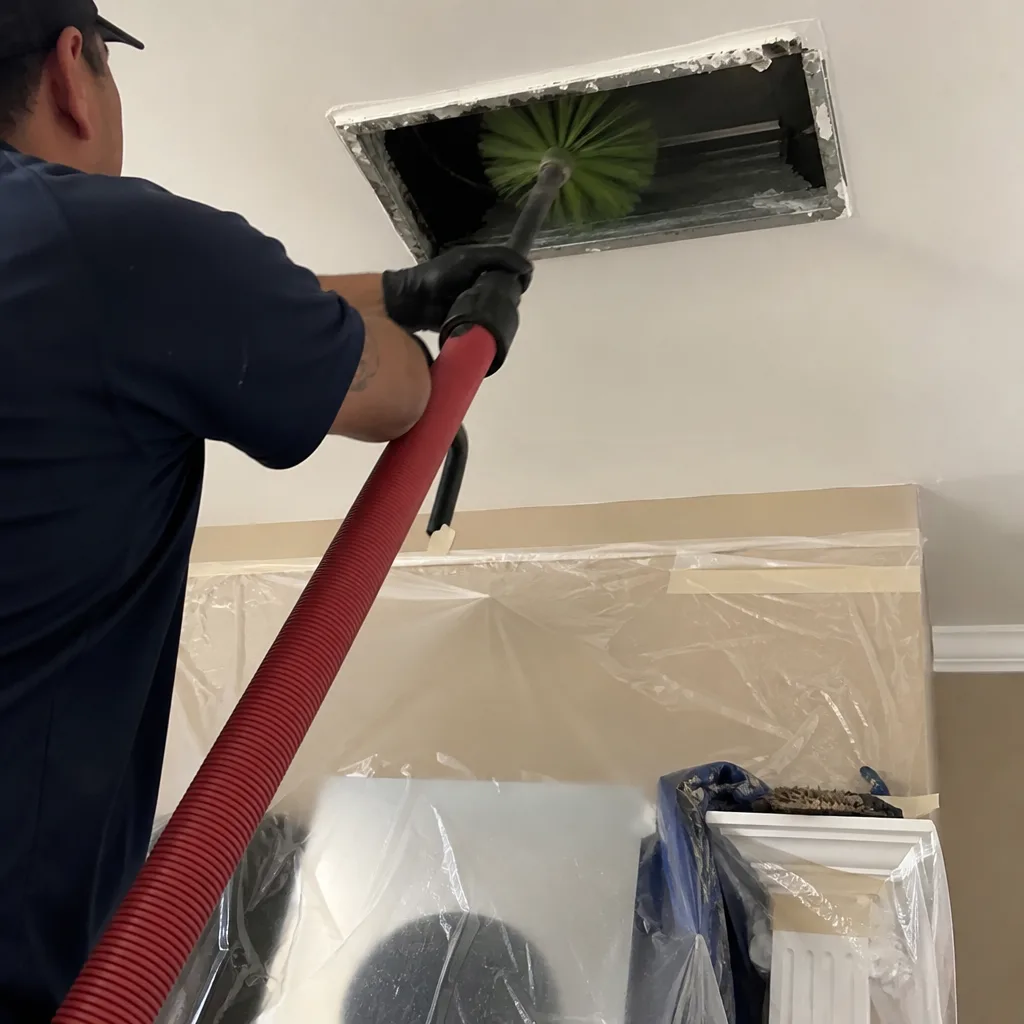
The California Mechanical Code draws a bright line between maintenance and modification. Cleaning falls squarely on the maintenance side. Running a rotary brush through a duct, applying negative air pressure, vacuuming registers and returns, even sanitizing interior surfaces – none of that requires a building permit in California, and none of it requires a contractor’s license either. That’s worth sitting with for a moment: the state regulates who can alter your ductwork far more tightly than who can clean it.
The permit threshold is crossed when work changes the physical configuration or condition of the duct system. Here are the specific triggers under the California Mechanical Code and Sacramento County enforcement practice:
- Reconnecting a disconnected duct section. This is the most common finding during a cleaning. A flex duct has pulled away from a register boot or main trunk. Reattaching it is technically a repair, not maintenance, and may require a permit if the disconnection is substantial.
- Replacing damaged duct sections. If a 10-foot run of flex duct is crushed, torn, or collapsed, swapping in new material is a modification. Sacramento County treats section replacement as permitted work.
- Installing new duct runs. Any addition to the system – a new supply to a converted garage, a return added to a master suite – requires a mechanical permit. No gray area here.
- Modifying the plenum or trunk line. Cutting into sheet metal to add a collar, resizing a trunk, or altering the plenum all change system design and require review.
- Sealing ducts with mastic or tape as a standalone service. Here’s where it gets interesting. Duct sealing performed as part of a permitted repair is covered by that permit. But offering duct sealing as a standalone service to improve efficiency technically falls under Title 24 compliance requirements, which we’ll cover below.
The practical takeaway for Pocket homeowners: if a technician finds something broken during a cleaning and fixes it on the spot, ask whether that repair triggered a permit. If they can’t answer clearly, you should be concerned. The technicians at Purevent Air Duct Cleaning home perform repairs through our Air Duct Repair in Pocket service line, and we’ll tell you plainly when permit work is required before any repair begins.
Sacramento County Permit Requirements for Duct Work
Sacramento County follows the California Mechanical Code with local amendments that affect duct repair work. The county’s Building Permits and Inspection Division issues mechanical permits for duct modifications, and the threshold for what counts as “minor repair” versus “permitted alteration” is narrower than many homeowners assume.
Here’s what Sacramento County expects for the most common duct repair scenarios:
- Small disconnections at a single register boot. Reattaching a flex duct to a boot using a proper connector and code-approved fasteners is often treated as maintenance if no material is replaced. But the county’s inspectors have flagged this gray area repeatedly, and many HVAC contractors now pull permits for any reconnection involving more than one boot or duct section.
- Replacing a damaged length of flex duct. This requires a mechanical permit. The permit covers the material replacement, the connection method, and the sealing of all joints with UL 181-rated mastic or tape.
- Adding or relocating a supply register. Any change to the number or location of registers requires a permit, full stop. This includes cutting a new opening in existing sheet metal.
- Replacing a plenum or trunk section. Permitted work with inspection required. The inspector will check seam sealing, support strapping, and insulation R-value on the replaced section.
Permit costs in Sacramento County for mechanical work typically run between $80 and $300 depending on job valuation, though final figures vary by project scope. The bigger cost isn’t the fee – it’s the time and the inspection scheduling. That’s why some contractors quietly skip permits on small repairs. Don’t let them. Unpermitted work becomes your problem at resale, and Sacramento home inspectors are trained to look for signs of recent duct modification without corresponding permit records.
Title 24 Energy Compliance and Duct Sealing
Title 24, Part 6 of the California Code of Regulations, sets energy efficiency standards that apply even to existing homes when certain work is performed. For duct systems, Title 24 cares about two things: leakage and insulation. When you repair or replace duct sections in California, the new material and the connections must meet current energy code – not the code from whenever your house was built.
The current Title 24 requirements that affect duct repair work in the Sacramento area include:
- Duct leakage testing. When a permit is pulled for duct modification, the county may require a duct leakage test (measured in CFM25) before the work is signed off. New duct work in Sacramento County’s climate zone must meet specific maximum leakage rates.
- R-value minimums. Supply and return ducts in unconditioned spaces – attics, crawl spaces, garages – must be insulated to at least R-6.0 for new or replaced sections. Older homes in Pocket frequently have R-4.2 or no insulation at all on original ductwork.
- Sealing standards. All duct joints and connections must be sealed with UL 181A or 181B-approved mastic or tape. Gray fabric duct tape – the kind your grandfather used – has never met code, and it’s a red flag on any inspection.
- Filter requirements. Title 24 requires that any new or modified system include a filter grille or filter access panel sized to the system’s airflow. If your duct repair includes a new return, the filter setup must be addressed.
For Pocket homeowners, this matters because our neighborhood’s housing stock runs heavily toward 1960s-1980s builds. Those homes were constructed before tight duct sealing was required. When a repair opens up the system today, Sacramento County expects the repaired portion to meet current standards, even if the rest of the system is grandfathered. A knowledgeable contractor will explain this before starting work, not after the inspector raises it.
What a Code-Compliant Duct Repair Actually Looks Like
Most homeowners never see the inside of a finished duct repair. They get an invoice, maybe a photo or two, and they trust the work was done right. But knowing the difference between a code-compliant repair and a field patch will save you from paying twice. Here’s what to look for when reviewing work or comparing contractors:
A code-compliant duct repair includes:
- UL 181-rated mastic or tape on every joint. Mastic is a thick, paste-like sealant that dries hard and remains flexible. It’s applied with a brush or gloved hand, not sprayed on. Tape must be labeled UL 181A for rigid ducts or UL 181B for flex ducts. If you see shiny silver duct tape, the repair won’t pass.
- Proper mechanical fastening before sealing. Flex ducts must be secured to collars with a metal or nylon draw band, not just tape. Sheet metal sections need screws or drive cleats. Sealant alone is not a mechanical connection.
- Insulation restored to current R-value. If a section of attic duct was replaced, the new insulation should match or exceed the code minimum for unconditioned space. Bare metal or thin foil wrap is a sign of a shortcut.
- Support straps every 4 feet. Flex ducts should never touch the attic floor or be kinked around framing. Proper strapping with 1.5-inch minimum width material at intervals no more than 4 feet keeps airflow consistent and prevents sagging.
- Visible documentation. A legitimate contractor provides before-and-after photos, a description of materials used, and a copy of any applicable permit or inspection record.
Our Air Duct Repair in Pocket service uses the same remediation-grade equipment we run for cleaning – Nikro negative-air machines to contain dust during repair work, and Rotobrush rotary-brush systems for the cleaning side. When we find a repair need during a cleaning, we document it with photos, explain what triggered any permit requirement, and give you a firm price for the corrective work before anything gets touched.
Real Estate Disclosure: What Sellers Must Reveal
California’s real estate disclosure laws are among the strictest in the country, and they intersect with ductwork in ways that surprise sellers every year. Under Civil Code Section 1102, sellers must disclose any known material defect affecting the property’s value or desirability. The California Association of Realtors’ standard Transfer Disclosure Statement (TDS) includes specific questions about heating and air conditioning systems, and a growing number of Sacramento-area disclosures now ask directly about duct condition, repairs, and cleaning history.
Here’s what California law requires you to disclose as a seller:
- Known duct disconnections or leaks. If a technician found a disconnected duct section during cleaning or inspection and told you about it, that’s a known material condition. Not disclosing it is a legal risk, even if you chose not to repair it.
- Unpermitted duct modifications. If you or a previous owner modified the duct system without permits, and you know about it, disclosure is required. Buyers in California can and do sue sellers for failing to disclose unpermitted work, especially when it affects system performance or energy efficiency.
- Recent repairs with documentation. Disclosing a properly permitted, code-compliant duct repair is a selling point, not a liability. It shows the system was professionally addressed.
- Known mold, moisture, or contamination in the ductwork. If a cleaning or inspection found microbial growth, rodent intrusion, or significant moisture in the ducts, you’re required to disclose it. The TDS specifically asks about mold and moisture issues.
If you’re selling a home in Pocket and your ducts have never been inspected, consider it before listing. A pre-listing duct inspection with Air Duct Cleaning in Pocket can surface issues before they become disclosure surprises mid-escrow. We use Abatement Technologies equipment when contamination control is needed, which gives you documentation that the system was professionally evaluated.
How to Verify a Contractor’s C-20 HVAC License
This is the part most homeowners skip, and it’s the part that matters most when a repair is involved. California requires a C-20 Warm-Air Heating, Ventilating and Air-Conditioning Contractor license for any contractor performing duct modifications, replacements, or installations. Cleaning-only work has no licensing requirement. That means you could hire a completely unlicensed operator to clean your ducts, and they’d be within the law – but the moment they start fixing things, they’re breaking it.
Here’s how to verify that your contractor is properly licensed for repair work:
- Go to CSLB.ca.gov. The Contractors State License Board maintains a public database of every licensed contractor in California. It’s free to search.
- Search by business name or license number. If the contractor doesn’t show up, they aren’t licensed. If they show up under a different name, ask why.
- Check the classification. The license must say “C20” or “C-20 – Warm-Air Heating, Ventilating and Air-Conditioning Contractor.” A general building license (Class B) does not authorize duct modification work. A plumbing license (C-36) does not either.
- Check the status. Look for “Active” status. Suspended, expired, or revoked licenses mean the contractor can’t legally work.
- Check workers’ compensation coverage. If the contractor has employees and no workers’ comp, you could be liable for injuries on your property.
- Look at the bond amount. California requires a $25,000 contractor bond minimum. Higher is reassuring, but the classification and active status matter more.
For Pocket homeowners, this verification is especially important given the number of cleaning-only companies operating in the greater Sacramento area. A company that only cleans legally can’t repair. If they offer to fix a disconnected duct as part of a cleaning, ask whether that work is permitted and whether they’re C-20 licensed. If the answer is unclear, that’s your signal to find someone qualified.
What Pocket Homeowners Should Know About Their Duct Systems
Pocket and the broader south Sacramento area have a housing stock that presents specific ductwork challenges. Homes here, particularly those built from the 1960s through the 1980s, were constructed with materials and standards that fall short of today’s energy code. The single-story ranch layouts common along Pocket Road and throughout the neighborhood’s subdivisions mean long duct runs through hot attics – and our summer temperatures routinely exceed 95 degrees in those attic spaces from June through September.
What this means in practical terms:
- Flex duct degradation is common. The plastic outer liner on older flex ducts becomes brittle in attic heat. We regularly see split liners and exposed fiberglass insulation in Pocket homes built before 1990.
- Disconnected sections are the most frequent repair finding. Original duct installations sometimes used undersized or improper connectors. Decades of thermal expansion and contraction loosen them. If you notice weak airflow in rooms farthest from the furnace, a disconnection may be the cause.
- Rodent intrusion happens in older neighborhoods. Pocket’s mature tree canopy means squirrels and roof rats. They chew through flex ducts to enter warm attic spaces. If you hear scratching or notice debris around registers, have the ducts inspected.
- Return air is often undersized. Homes built to 1970s standards frequently have insufficient return air capacity. This affects both comfort and energy efficiency. Adding a return is permitted work with Title 24 implications.
Our team working in Pocket carries Nikro negative-air machines and Rotobrush rotary-brush systems to handle the cleaning portion of the job, plus the diagnostic tools to identify repair needs while we’re in the system. When we find a problem, our Air Duct Repair in Pocket capability means the issue gets fixed, not just noted. And since we also handle Dryer Vent Cleaning in Pocket, a single visit can address both the HVAC ductwork and the dryer exhaust – two systems that share a wall in many Pocket laundry rooms.
Common Mistakes to Avoid
- Assuming a cleaning company can legally repair ducts. Cleaning requires no license. Repair requires a C-20. If a cleaning-only company offers to fix a disconnected section, they’re likely operating outside the law, and you’re absorbing the risk.
- Skipping the permit on a repair to save time. Unpermitted duct work surfaces during sale inspections. Sacramento home inspectors are trained to spot fresh duct modifications without permit documentation. The remedy is usually a retroactive permit, which is harder and more expensive than doing it right the first time.
- Accepting a field patch as a permanent repair. Duct tape wrapped around a split flex duct is not a repair. It’s a temporary bandage that will fail in a Sacramento attic within a season or two. Insist on section replacement with code-compliant connectors and sealing.
- Not documenting your duct cleaning and repair history. When you sell, a paper trail showing professional cleaning and permitted repairs becomes a selling point. Without documentation, you’re asking a buyer to take your word for it.
- Hiring by price alone. Duct work performed by the lowest bidder is often the work that gets redone. A contractor quoting a disconnected-section repair at $75 is either not permitting the work, not replacing materials, or not insured. All three cost you later.
- Ignoring dryer vent maintenance as a code-adjacent issue. Dryer vent cleaning has its own safety stakes. California has no specific permit requirement for dryer vent cleaning, but clogged vents are a documented fire cause. Lint accumulation is a silent risk that inspection reports increasingly flag.
- Waiting until a home sale to inspect the ducts. Discovering disconnected sections or rodent damage mid-escrow puts you in a weak negotiating position. A pre-listing inspection with a company like Purevent gives you time to fix what needs fixing and disclose the rest properly.
When to Call a Professional
Call a professional when you notice reduced airflow from specific rooms but not others, when dust returns within days of cleaning surfaces, when you hear rattling or banging from vents when the system cycles, or when you can see disconnected ducts in an accessible attic or crawl space. Also call if you’ve been in your Pocket home more than five years without a duct inspection – Sacramento’s attic heat ages flex duct faster than most homeowners expect. Purevent Air Duct Cleaning offers free estimates in Pocket. We’ll inspect your system with professional-grade tools from Rotobrush and Nikro, tell you honestly whether you need cleaning, repair, or both, and walk you through any permit requirements before work begins. Call (877) 752-5088 to schedule.
Frequently Asked Questions
No. Air duct cleaning is classified as maintenance and requires no permit anywhere in California, including Sacramento County. The work involves cleaning existing surfaces, not altering the system. No permit is required even when using rotary-brush contact cleaning equipment like Rotobrush systems or negative-air machines like Nikro units.
A permit is generally required when the repair changes the physical configuration of the duct system. Replacing damaged flex duct sections, adding new runs, modifying the plenum or trunk line, or relocating registers all qualify as alterations under the California Mechanical Code. Reattaching a single disconnected boot may be treated as maintenance in some cases, but Sacramento County has been tightening enforcement, and most reputable contractors will pull a permit for any substantive reconnection. Call (877) 752-5088 to have us evaluate your specific situation.
Title 24, Part 6 is California’s energy efficiency code. When you permit a duct repair, the new materials and connections must meet current Title 24 standards, including insulation R-value minimums and sealing with UL 181-approved products. This applies even in existing homes. A contractor who is unfamiliar with current Title 24 duct requirements may complete a repair that fails inspection.
Yes. California’s Transfer Disclosure Statement requires sellers to disclose known material defects. If a technician has told you about disconnected ducts, significant leakage, mold in the ductwork, or unpermitted modifications, you must disclose it to buyers. Failure to disclose can result in legal action after the sale closes.
Ask for documentation: a permit number with a final inspection sign-off, a description of materials used, and before-and-after photos. In the work itself, look for UL 181-labeled mastic or tape on all joints, proper mechanical fasteners (draw bands on flex duct, screws on sheet metal), insulation restored to at least R-6 in attics, and support straps at proper intervals. Bare metal or gray duct tape are signs of non-compliant work.
Yes, for homes with visible dust accumulation, allergy concerns, musty odors, or reduced airflow. A professional cleaning with rotary-brush contact equipment removes debris that simple vacuuming misses. In Pocket specifically, where mature trees contribute to particulate buildup and attic heat accelerates duct liner degradation, periodic professional cleaning helps maintain system performance. For an honest assessment of whether your system needs cleaning, repair, or both, call (877) 752-5088 – estimates are free.
The Bottom Line
Air duct cleaning in California requires no permit, which means anyone can legally offer the service. That low barrier is precisely why homeowners need to understand the repair threshold. The moment a cleaning turns into a repair – a reconnection, a section replacement, a plenum modification – mechanical code and Title 24 standards apply. In Pocket, where aging duct systems routinely hide disconnections and damage, knowing that line protects you from unpermitted work, failed sale inspections, and legal exposure. Get the system inspected by someone who can clean, repair, and explain permits honestly. That’s the difference between a cleaning crew and a duct specialist.
Written by the team at Purevent Air Duct Cleaning, serving Pocket since 2017.
See the difference
 Before
 After
 Before
 After
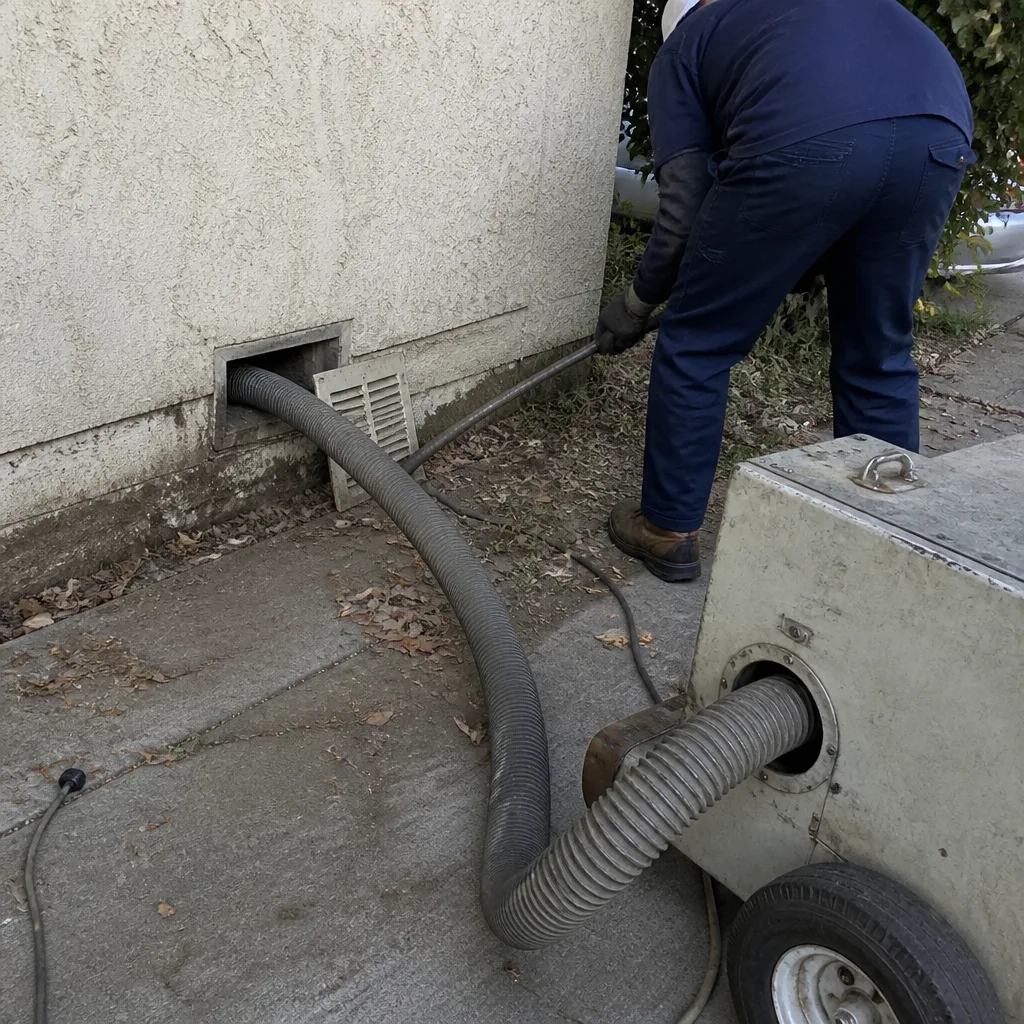 Before
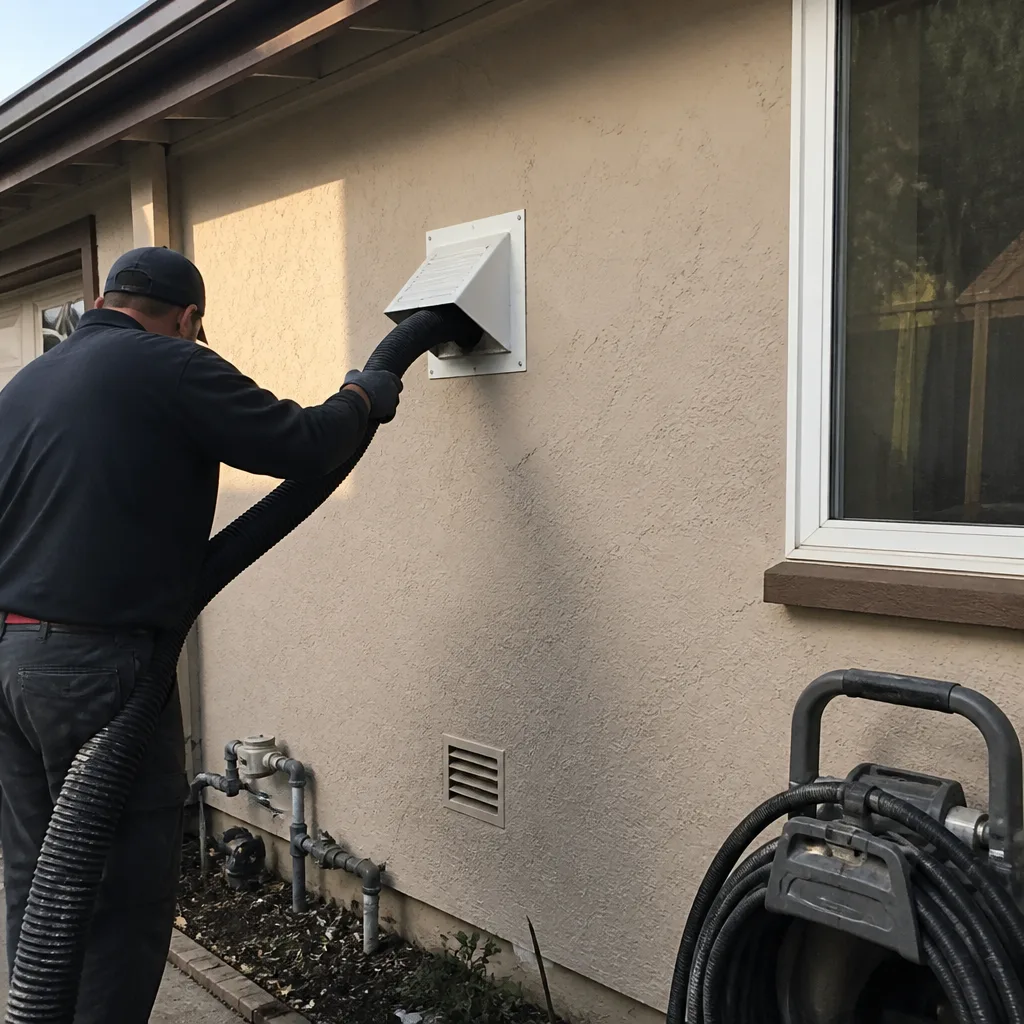 After